

When the pitch becomes a pulpit: BCCI's spectacle eroding the soul of cricket

Published 2026-10-30 · By Vikram Bhatia (Executive Sports Editor · Ahmedabad Desk)
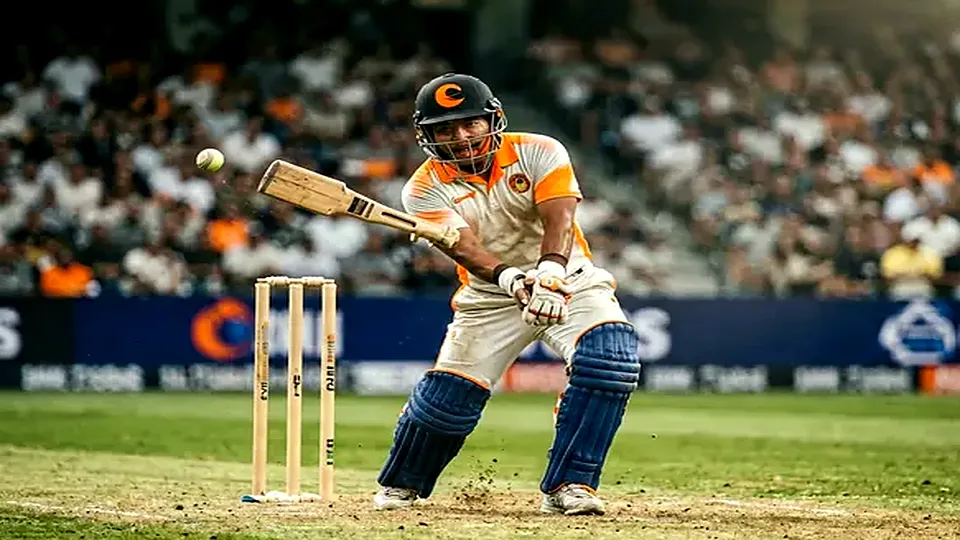
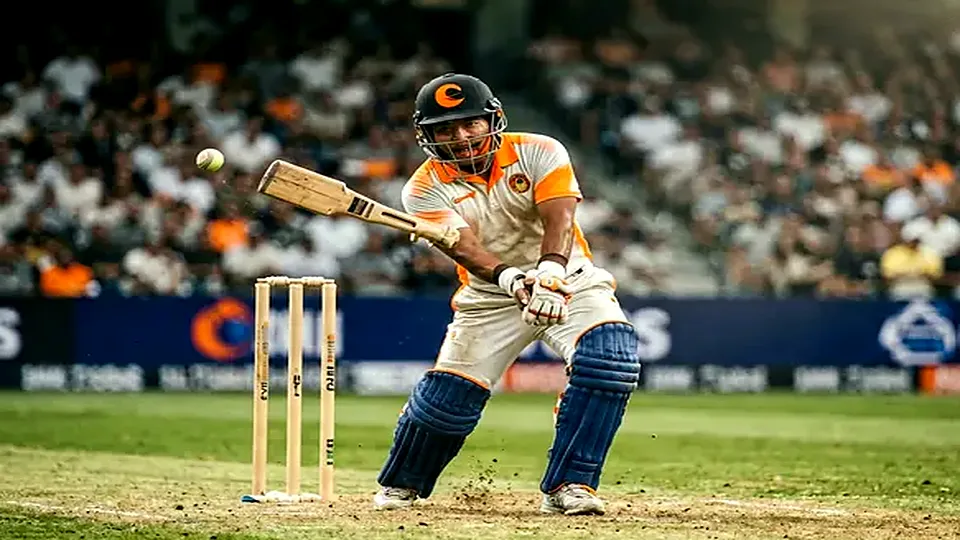
The atmosphere at the Naranjoa Stadium on Tuesday wasn’t just electric; it was performative. As the Indian opening pair stepped out to face the first over of the third Test, the roar from the stands wasn't the usual post-match appreciation. It was a sustained, rhythmic chanting of national slogans. The boundary-percentage on that red-soil track had already been skewed by the dry, skiddy bounce, but the psychological pressure on the batting side? That was a new variable. Nobody in the BCCI’s top brass seemed worried about the tactical implications. They were busy managing the optics.
For years, the Indian cricket setup maintained a fragile but effective firewall between the dressing room and the parliament. That buffer zone has now been dismantled. The shift isn't subtle. It’s loud, colorful, and increasingly woven into the fabric of international fixtures. What used to be a sporting rivalry is slowly morphing into a cultural showcase, one where the scorecard is secondary to the show.
The Selection Box Has a New Agenda
Let’s be blunt: selection calls are no longer just about form, fitness, or tactical fit. There is a new layer of scrutiny, a kind of social media audit that players and support staff navigate before they even pick up a bat. The dressing-room chatter has changed. It’s less about the 'new-ball burst' or how to bowl into the pitch on a slow surface and more about who is 'safe' to travel, who fits the current national narrative, and who is likely to draw fire from the online mob.
This is not just about politics; it’s about survival. Players are conscious that their off-field presence is part of their on-field value equation. A controversial post can cost a spot in the XI. A well-timed national anthem moment can earn a spot on the cover of a magazine. The metric has shifted from runs and wickets to alignment.
Middle-Overs Choke or Political Block?
Consider the last three international series. The Indian batting side faced a distinct 'middle-overs choke' in critical moments. The middle order lost the run-rate, the partnership dissolved, and the chase became a scramble. Coincidence? Maybe. Or maybe the pressure of the 'spectacle' is bleeding into the technical process. When the crowd demands dominance, and the administration encourages it, the patience required for the middle overs evaporates. Teams start swinging bigger. They stop playing the game they know and start playing to the gallery.
Look at the bowling at the death. The discipline is there, but the intent is different. It’s not just about wickets; it’s about making a statement. The bowlers are bowling with a chip on their shoulder that has nothing to do with the opponent’s strength and everything to do with their own perceived role in the national story.
The Cost of Confusion
Cricket, at its core, is a game of balance. Attack and defense. Risk and reward. But when the balance tips too far toward 'identity' and 'spectacle', the technical foundations crumble. We see it in the Impact Player gamble—used not for tactical advantage, but for narrative impact. We see it in the Ranji grind, where state-level boards start adopting similar cultural cues, pushing the sport down the pipeline.
Is this a bad thing? Not necessarily. Passion is good. But when the sport becomes a proxy for national pride to the point where technical competence is secondary, we lose the very thing that makes cricket compelling. The dew factor after 8:30 PM IST used to be a tactical headache. Now, it’s just another obstacle in a game that is increasingly about who you are, not just what you can do with a willow.
The BCCI’s move to turn cricket into a Hindutva spectacle is not just a political maneuver; it’s a structural change. It’s a redefinition of what an Indian cricketer is. And if you want to keep up with the shift, you have to track the live scores not just for the wickets, but for the mood. Keep an eye on the liberty cricket live scores dashboard. The numbers will tell you who is batting, but the atmosphere will tell you who they are playing for. The two are no longer the same thing.
"When the crowd starts dictating the line and length, the game is already lost. It’s just a matter of when the scorecard reflects it."
The Ahmedabad desk watches this closely. The soil is red and sticky, the stakes are high, and the noise is deafening. The next series will test whether the players can separate the two. Until then, the spectacle continues.
Related coverage
- BCCI’s 2025 Calendar Revealed: From Olympic Gold Rush to T20 Blitz
- Morkel warns India: Don't just 'block' the Wellington wind

Updated 2026-10-30 · Instant Rupee Deposits & 60s Withdrawals · 24/7 Support.
Access Official LibertyCricket Portal →Syndicate & Match Preview Editor · Mumbai Desk
Kunal Agarwal has tracked IPL auctions, T20 toss trends, and fantasy combinations since 2016. From Mumbai, he oversees LibertyCricket's live match previews and liberty cricket live scores guides.
Reader Discussion & Match Reactions (4)4.8★ Community (4 Comments)
Verified Indian cricket reader perspectives & tactical debate on libertycricket.com
Yaar, calling that Naranjoa track a 'red-soil' skiddy nightmare is spot on. The rhythmic chanting of national slogans in the first over wasn't just noise; it was psychological warfare. BCCI turning the dressing room into a political showcase is ruining the actual cricket strategy we care about.
The tactical focus is now completely off the 'new-ball burst' mentioned in the piece. Because selection is based on social media audits rather than fitness or form, our fantasy picks for the opening pair are risky. We cannot trust the standard skill tree when the narrative dictates who travels.
The article highlights how the skiddy bounce skewed the boundary percentage, yet the BCCI ignored the tactical implications. The dismantled firewall between the dressing room and parliament means field placements are now secondary to the 'cultural showcase' narrative, which is strategically dangerous for our spinners.
@Rohit_Paltan99 You are right about the psychological pressure, but the new social media audit for selection is even more damaging. The excerpt notes that chatter is less about bowling into the pitch and more about who fits the national narrative, which actually messes up our tactical planning for the middle overs.
Join the Discussion (4 Reader Comments)
Related Articles
See All
Imran Khwaja's Long Run As ICC Associate Director Ends: What Changes
Jul 9, 2026
Liberty Cricket Live Scores: Complete 2026 India Guide, Live Updates & Verified Access
Oct 17, 2026
Pratika Rawal signs with Warwickshire Bears
Jul 29, 2026