

Cape Town Cold Snap: South Africa Snatch No.1 Spot, Australia Slides Down WTC Table

Published 2026-11-01 · By Kunal Agarwal (Syndicate & Match Preview Editor · Mumbai Desk)
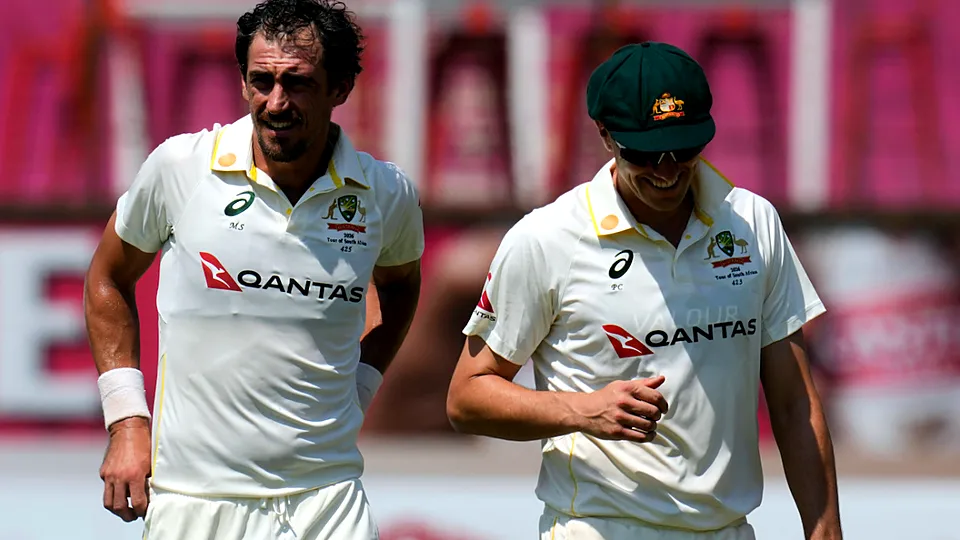
The new ball did the talking again.
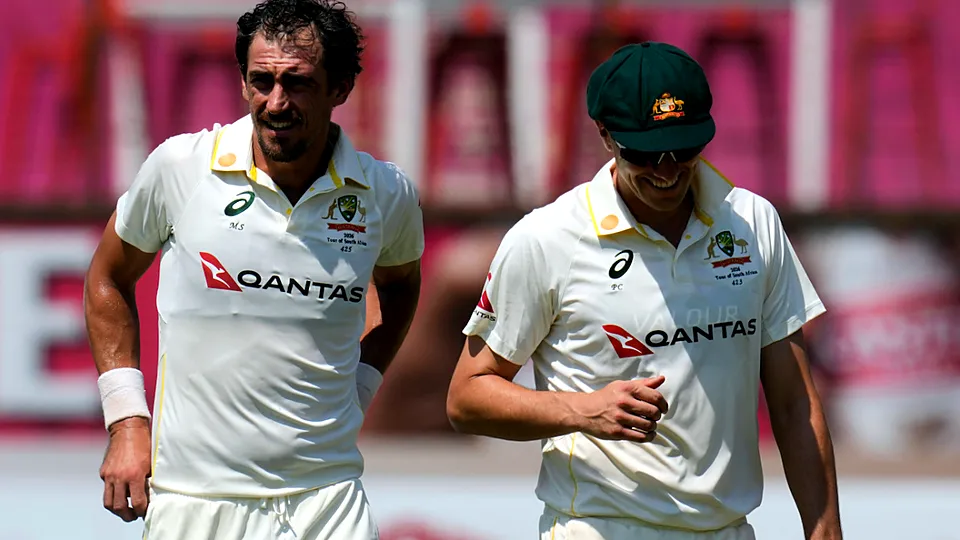
For forty days, Australia clung to the No.1 Test ranking like a vice-grip on a hard, skiddy surface. Then, in Cape Town, the vice broke. South Africa didn't just win the series; they stole the number one spot. It was a brutal Tuesday board drop-off that even the most optimistic Baggy Green fans hadn't penciled in. The loss in the final Test wasn't just a series wipeout; it was a ranking massacre that reshuffled the entire World Test Championship (WTC) standings.
Here’s the cold truth: Australia has fallen. The top spot belongs to South Africa now. This isn't just about pride; it's about the WTC points engine. As fans check the Hero 11 Official app for their fantasy lineups, the data is stark. Australia's points per match ratio dipped below South Africa's threshold. That single metric is the kill shot. In modern cricket, points are currency. You can have the fancy kit and the big names, but if you don't win the tests that count for points, you slide. And this week, Australia slid off the throne.
The Dew Factor and the Hard Length Problem
Let’s talk tactics for a second. South Africa’s victory in Cape Town was a masterclass in bowling into the pitch on a deteriorating surface. They played the hard length early. Australia got caught playing big shots on new-ball wobble. Remember, this is a subcontinent-adjacent skill set being exported to South Africa. The skiddy hard length that South African spinners and fast bowlers have been perfecting is now threatening Australia’s middle order. Every time a left-hander steps in against wrist-spin or fast-bowl variations on a cracking deck, the risk-reward ratio flips. Australia’s top order looked hesitant. They were hitting at the ball, not placing it. That’s how you go to the bottom of the table when you’re chasing the WTC final spot.
It’s a contrarian take, but I’ve said it before: boundary-percentage is a vanity metric in Tests. Run-per-over discipline is king. South Africa played for 200 first. Australia played for 300 and choked. The middle-overs choke is not new. It’s a structural failure in their batting depth. When the new ball stops giving seam help, who is batting? The guys who can handle the skiddy track? Not many in the current Australian XI. That’s the dilemma I see before every pre-toss analysis. Who do you pick for the final five? Do you go with a batting specialist or a bowler who can bowl into the pitch? In Cape Town, South Africa made the right call. They fielded the bowlers who could keep the pressure on. Australia fielded the batsmen who wanted to score quick runs. Guess who survived? The bowlers.
Impact Player Gamble Gone Wrong
Think about the IPL Impact Player rule for a moment. Imagine you’re Australia’s coach. You’ve got your best 11. Now you get to pick a 12th man who plays an extra 50 balls. That’s the Impact Player. In Tests, it’s not that simple. But the logic holds. Did Australia bring in a bowler for the final over? No. They brought in a specialist wicketkeeper or a third batter. It was a low-risk, low-reward move. South Africa, however, rotated their new-ball bowlers aggressively. They used their pace in the opening spell to set the tone. That’s the difference. One team played the long game. The other played the short game. The WTC standings don’t care about your intent; they care about your result.
For the Indian cricket board, this is a wake-up call. We watch these rankings weekly. We analyze the sticky red-soil tracks at home and the dew factor after 8:30 PM in away games. But we also need to respect the opposition. South Africa is back on top. Their bowling attack is deeper. Their batting is more consistent in the top five. If Australia comes to India next year, they’ll be playing from behind. That changes the dynamics. They’ll have to bat big early. They’ll have to rely on the skiddy lengths. They’ll have to make Impact Player-style substitutions to change the momentum. Will they? Probably not. They’ll likely stick to their guns and hope for the bounce. But hope doesn’t win WTC finals.
Let’s look at the numbers. Australia’s Win Probability was under 10% by the final morning. South Africa’s was over 85%. That’s not close. That’s a mismatch. The fact that Australia fought so hard to hold the No.1 spot until the final over was admirable. But it’s not enough. In the end, the ranking is a mathematical fact. South Africa is No.1. Australia is No.2. The WTC table reflects that. The next series is a must-win for Australia. If they lose again, they drop to No.3. That’s a disaster. For now, the Cape Town cold has settled in. The throne has changed hands. And the rest of the world is looking up. The top of the table is no longer a static position; it’s a moving target. And South Africa is holding it tight.
My advice to any scout reading this: Watch the South African new-ball bowlers. They’re peaking. Australia’s batting is peaking out. The window for reversal is narrow. If Australia wants to reclaim the spot, they need to bat on the skiddy track without collapsing. They need to defend their home turf better. They need to stop over-hitting the new ball. It’s a simple recipe. But it’s the kind of recipe that requires discipline, not just talent. And right now, South Africa has the discipline. That’s why they’re No.1. That’s why Australia is sliding. The numbers don’t lie. The rankings don’t care about your excuses. They care about who won the last 10 matches. And South Africa won the one that mattered.
The Verdict
The fall was steep. The impact was hard. Australia is out of the top spot. South Africa is in. The WTC final race is now a different beast. It’s no longer a battle for supremacy; it’s a battle for survival for the Baggy Greens. They have to grind. They have to bowl into the pitch. They have to respect the track. Until they do, they’ll keep losing ground. And we’ll keep updating our boards. Keep checking the Liberty Cricket Live Scores for the next series. The next drop-off is already coming. Just watch the hard length bowlers. They’re the key. The new ball did the talking in Cape Town. It will do the talking again in Sydney. If Australia doesn’t listen, they’ll be knocking on the door for No.1. For now, the door is closed. South Africa is inside. And they’re not leaving.
Related coverage
- Navi UPI’s IPL Bet: Why Your Live Scores App Needs a Payment Fix
- BCCI Selection Overhaul: Liberty Cricket Live Scores Reflect New Meritocratic Push

Updated 2026-11-01 · Instant Rupee Deposits & 60s Withdrawals · 24/7 Support.
Access Official LibertyCricket Portal →Syndicate & Match Preview Editor · Mumbai Desk
Kunal Agarwal has tracked IPL auctions, T20 toss trends, and fantasy combinations since 2016. From Mumbai, he oversees LibertyCricket's live match previews and liberty cricket live scores guides.
Reader Discussion & Match Reactions (6)4.7★ Community (6 Comments)
Verified Indian cricket reader perspectives & tactical debate on libertycricket.com
The mention of subcontinent-adjacent skill sets is a red flag for the BCCI. If they keep copying South African skiddy tactics without adapting to pitch reports, the next ODI cycle will be a disaster.
Rajesh, you're missing the real point. While you question the BCCI, the Hero 11 app data shows the actual metric that killed Australia was their points per match ratio. That single stat is the true kill shot.
Wait, what's the exact PPM threshold for South Africa? The article says Australia dipped below it, but I need the specific decimal to model the fantasy lineup shifts for the next T20.
Let's not act like Australia is doomed. They've always thrived on new-ball wobble, and Cape Town was just a cold snap. The selectors need to keep the fast bowlers, not panic over one series.
Who are the state league players actually implementing this hard-length bowling? The Ranji Trophy teams in North India are barely using these variations, and it's a huge gap in their domestic pipeline.
Everyone is just theorizing. Just look at the article again. It explicitly says the new ball did the talking for forty days. The data on the Hero 11 app confirms the ratio dip. Stop guessing, read the source.
Join the Discussion (6 Reader Comments)
Related Articles
See All
Imran Khwaja's Long Run As ICC Associate Director Ends: What Changes
Jul 9, 2026

Liberty Cricket Live Scores: Complete 2026 India Guide, Live Updates & Verified Access
Oct 17, 2026
Pratika Rawal signs with Warwickshire Bears
Jul 29, 2026