

Gill’s Calendar Complaint: Why the NZ Tour Sequence is a Tactical Mess

Published 2026-11-05 · By Vikram Bhatia (Executive Sports Editor · Ahmedabad Desk)
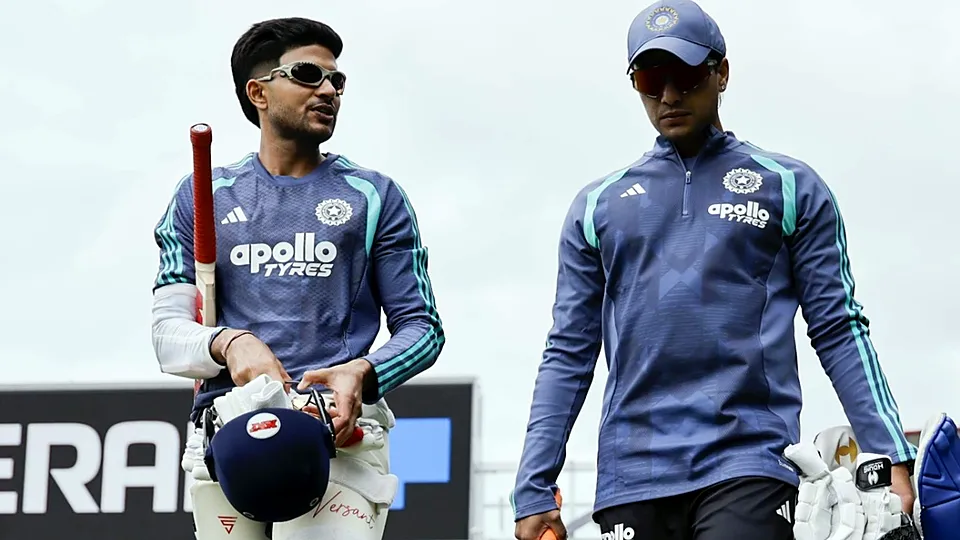
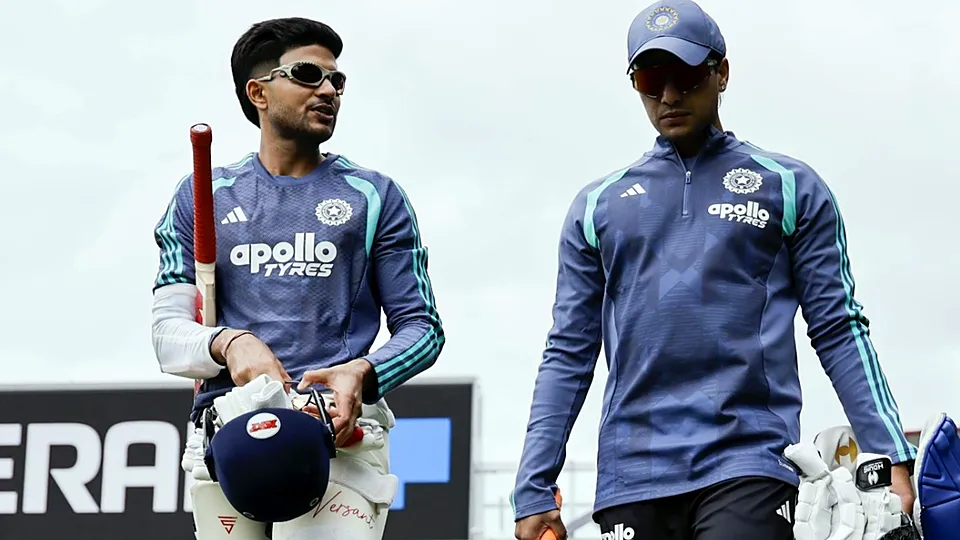
The captain stood at the podium, lean and slightly defensive. He didn’t mince words. Shubman Gill wants the ODIs first. He wants the full-strength squad in the middle before the T20 madness kicks in. It was a blunt admission that the current New Zealand tour schedule is, in his eyes, backwards.
The logic is simple enough. You don't treat a World Cup build-up like a casual winter vacation. Gill believes starting with the 50-over format would have allowed the primary XI to find their rhythm without the jarring transition of T20s. Instead, we get the shorter format first. The rhythm is broken. The intensity is fragmented.
The World Cup Math Doesn't Add Up
Cricket is a game of muscle memory. Switching from the frantic, high-boundary-percentage chaos of T20s to the patient, grinding nature of an ODI is no easy feat—especially on the skiddy, green-tinged tracks of New Zealand. Gill knows this. The dressing-room chatter suggests a frustration with how the workload is being managed. Why risk your primary strike bowlers in a T20 flurry when the real prize is the 50-over trophy?
It is a classic clash between the board's commercial calendar and the captain's tactical needs. The BCCI likes the T20s for the eyeballs. Gill likes the ODIs for the silverware. For those tracking the fallout via liberty cricket live scores, the tension isn't in the runs—it's in the planning.
A New-Ball Burst and a Missing Strategy
Look at the bowling dynamics. A new-ball burst in a T20 is about containment and raw pace. In an ODI, it's about the kill. By forcing the T20s first, the seamers are conditioned to bowl a hard length and defend the boundary. They lose that predatory instinct required to dismantle a top order over 50 overs. It's a subtle shift, but in a World Cup semi-final, that subtlety is everything.
Does this sound like overthinking? Perhaps. But look at the historical data:
- The Transition Lag: Teams often struggle in the first two ODIs following a T20 series.
- The Fatigue Factor: T20s are sprints; ODIs are marathons. Doing the sprint first often leaves the legs heavy.
- The Selection Headache: Playing a 'B-team' in ODIs to save the stars for T20s ruins the chemistry of the main squad.
The 'Captain's Shield' or Genuine Concern?
Some will call this a preemptive excuse. A way to soften the blow if the ODI results don't go India's way. I've spent fifteen years in the press box; I know the smell of a diversion. But this feels different. Gill isn't complaining about the pitch or the weather. He's complaining about the architecture of the tour.
"Playing the ODIs at the start would have given us the chance to play a full-strength squad to prepare for the World Cup."
It's a daring thing for a captain to say publicly. It puts the selectors and the board on the spot. He is essentially saying the blueprint is flawed. He wants the Ranji grind mentality—the long-form patience—integrated into the white-ball setup before the T20 fireworks start.
The reality? The schedule is set in stone. The flights are booked. The hotels are paid for. Gill will have to make do with the hand he's been dealt. Whether he can bridge that gap between the formats without a middle-overs choke remains to be seen. For now, the captain has made his mark. He's not just leading the side; he's questioning the system. That's a dangerous game, but perhaps the only way to get the board to actually listen.
The players will hit the nets tomorrow. The T20s will happen. The noise will be deafening. But the ghost of those missing ODIs will haunt every session until the World Cup begins.
Related coverage
- IPL 2026 Format Shock: How 20-Over Cap Is Ruining Pace Attacks
- Ekana's 7-15 Overs Are the Real Test: Liberty Cricket Live Scores

Updated 2026-11-05 · Instant Rupee Deposits & 60s Withdrawals · 24/7 Support.
Access Official LibertyCricket Portal →Syndicate & Match Preview Editor · Mumbai Desk
Kunal Agarwal has tracked IPL auctions, T20 toss trends, and fantasy combinations since 2016. From Mumbai, he oversees LibertyCricket's live match previews and liberty cricket live scores guides.
Reader Discussion & Match Reactions (5)4.9★ Community (5 Comments)
Verified Indian cricket reader perspectives & tactical debate on libertycricket.com
If Gill is this worried about rhythm, my fantasy picks for the ODIs are a risk. The transition from T20 chaos to 50-over grinding means the primary XI might start slow, affecting early-over projection and captaincy choices for the first game.
Gill is right about the skiddy, green-tinged NZ tracks. Using strike bowlers in a T20 flurry first is a tactical disaster because the muscle memory for containment doesn't translate to the patient, grinding nature needed for the 50-over format.
BCCI only cares about the eyeballs and commercial calendar, yaar! Why risk our main bowlers in T20s when the silverware is in the ODIs? This scheduling is a total mess, not proper planning at all, bhai.
The shift in batting order for the T20s will definitely mess with the ODI rhythm. I'm adjusting my matchups because a fragmented intensity means the top order might struggle to find their timing before the real prize begins.
@Shubham_Rao I agree, the risk is high. It's a classic clash between the board's commercial needs and Gill's tactical requirements, especially since the captain wants the full-strength squad in the middle before the T20 madness kicks in.
Join the Discussion (5 Reader Comments)
Related Articles
See All
Imran Khwaja's Long Run As ICC Associate Director Ends: What Changes
Jul 9, 2026
Liberty Cricket Live Scores: Complete 2026 India Guide, Live Updates & Verified Access
Oct 17, 2026
Pratika Rawal signs with Warwickshire Bears
Jul 29, 2026