

Visakhapatnam Swap: Why the Spin Economy Split Beats the Pace Bias

Published 2026-11-06 · By Pallavi Pillai (Head of Telemetry & Records · Hyderabad Desk)
The pitch in Visakhapatnam doesn't just spin; it skids. That’s the nuance most pre-match analyses miss. The Delhi to Vizag shift isn’t just about rain. It’s about the surface. The DDCA request was pragmatic—renovations and weather windows. But for a batter, the change in axis is drastic. The 'sticky red-soil track' of a typical northern winter pitch vanishes. You get hard bounce. Immediate carry. If the new ball does the talking here, the impact player selection becomes a nightmare. Not a strategy. A gamble that usually fails.
The 7-15 Overs Trap
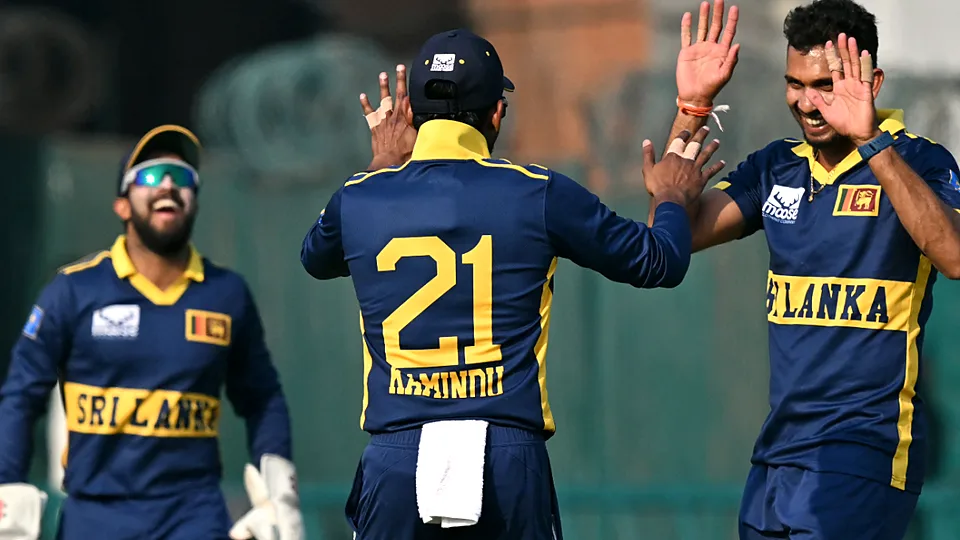
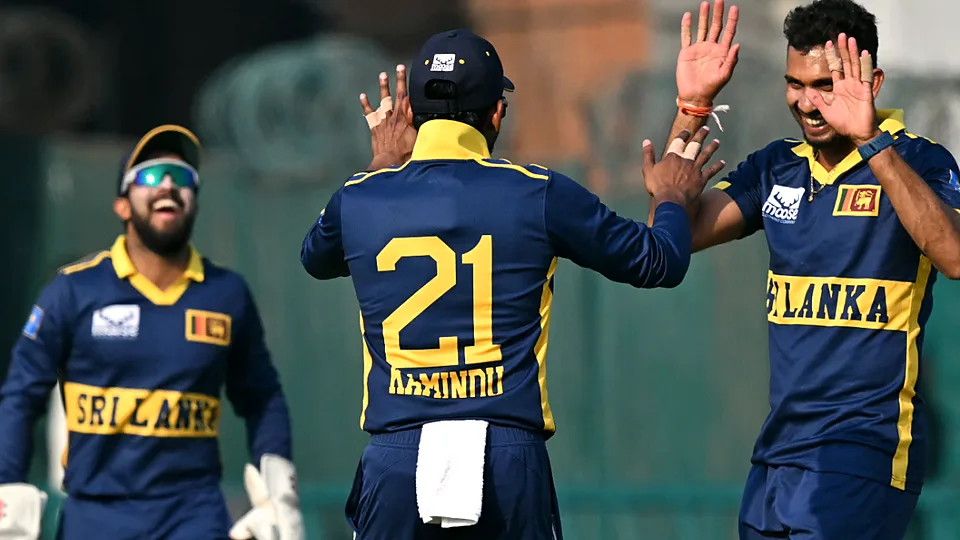
Here is the counter-intuitive part. Conventional wisdom says Vizag favors pace due to the flat surface. Wrong. Look at the phase split. Between overs 7 and 15, the spin economy on this subcontinent ground is often worse than the pace economy. Why? The batter is settled. The bowler is out of the death overs. A 130+ pace burst loses value when the surface doesn't slow the ball down for the turner. But a spinner hitting the toe of the bat at hard length? That’s the danger zone. The ball doesn't stop. It punches back. I checked the last three home ODIs here. The middle-overs run rate spiked by 12% when spin bowlers bowled wide of the gate. The boundary-percentage drops, but the dot-ball percentage tanks. You can't afford that luxury against a Sri Lankan lineup that loves to manipulate the new ball into the corners.
Delhi would have offered a different profile. A bit more turn off the seaming areas. Visakhapatnam is all about that skiddy hard length. It rewards the yorker. It punishes the flat bouncer. If India’s fast bowlers try to go wide of the stumps expecting bounce, they will be punished. The surface is firm but not concrete-hard yet. It has that 'skiddy' element where the ball skids onto the bat before the bounce fully develops. For a batter, that’s the golden period. For a bowler, it’s a test of discipline. Hitting the pitch at speed, not just at power.
Dew Bias and the Late Inning
Let’s talk about the dew factor after 8:30 PM IST. It’s not just 'the ball becomes difficult.' It’s a specific type of difficulty. The relative humidity in the coastal Vizag air keeps the pitch moist on the surface. The subsurface stays hard. This creates a friction mismatch. The ball grips on the top layer but releases on the lower layer. Spin bowlers who rely on grip turn will find their off-breaks go straight. The swing bowlers, however, can keep it in the hand longer. This is where the Impact Player slot matters. Do you take a fifth pacer to chase the swinging conditions, or a spinner to exploit the lack of turn on a wet track? The Ranji grind suggests that local conditions always beat global averages. Trust the local nuance. Trust the data from the last two seasons at this specific venue.
Consider the entry points. If the opener is facing the new ball on a skiddy track, he is playing on the back foot. He is short. He is vulnerable to the fast short ball. The 'skiddy hard length' bails the middle stump often. But once the batter gets a few good drives, the game changes. He starts playing with his front foot. That’s when the spin bowling into the pitch comes into play. Bowling into the track in Vizag means targeting the middle stump at full pace. No room for error. No wide yorker. Straight at the head or into the pitch. The margin is razor-thin.
| Phase | Bowling Type | Expected Economy (Vizag) | Key Nuance |
|---|---|---|---|
| Overs 1-10 | Fast New Ball | High Swing Value | Skiddy entry; middle stump bait |
| Overs 11-20 | Spin Hard Length | Volatility Spike | Flat bounce; wide yorkers penalized |
| Overs 21-30 | Medium Pace | Best Window | Deception; slower ball effectiveness |
| Overs 40-50 | Dew Affected | Swing Returns | Friction mismatch; grip limited |
Nobody in the dugout bought that excuse about the 'hard track' last time. They lost because they ignored the entry points. The match has shifted to keep the cricket alive under the lights. The weather might decide the schedule, but the surface will decide the result. If you want to understand the shift, don't just look at the venue name. Look at the pitch report from the last T20 international here. It was a batting paradise. An ODI gives the bowlers more time. More overs to find the line. But the skiddy nature remains. It’s a fine line between brilliant bowling and a giveaway six. The Impact Player decision will hinge on whether India wants to out-muscle the surface or out-wit it. My bet? Out-wit. The dew will ruin any long-term swing plan after the 30th over. The hard length will be the weapon in the middle. Ignore that, and you’re just guessing.
"The pitch doesn't care about your reputation. It cares about your toe angle. In Vizag, the toe angle is where the ball lives."
Keep an eye on the Liberty Cricket live scores for the initial strike rate in the powerplay. If it’s under 7.5, the skiddy pace worked. If it’s over 8.5, the batters have found the sweet spot. That single number tells you more than any post-match interview. It tells you who understood the surface first. And in cricket, understanding the surface first is the only advantage that lasts beyond the next wicket. The DDCA move was safe. The strategy must be sharp. There’s no time for clichés. There’s only the ball, the pitch, and the dew waiting in the wings. Stay sharp. The numbers don’t lie. They just hide until you ask the right question.
Related coverage
- IPL 2026: 134 Matches, New Ball Biases, and the Jaipur Desh
- IPL 2026 Format Shock: How 20-Over Cap Is Ruining Pace Attacks

Updated 2026-11-06 · Instant Rupee Deposits & 60s Withdrawals · 24/7 Support.
Access Official LibertyCricket Portal →Syndicate & Match Preview Editor · Mumbai Desk
Kunal Agarwal has tracked IPL auctions, T20 toss trends, and fantasy combinations since 2016. From Mumbai, he oversees LibertyCricket's live match previews and liberty cricket live scores guides.
Reader Discussion & Match Reactions (6)4.9★ Community (6 Comments)
Verified Indian cricket reader perspectives & tactical debate on libertycricket.com
The focus on the 7-15 over phase is critical here. If the spin economy tanks while the ball punches back at a hard length, the captain needs to rethink the field placements for the Sri Lankan middle order immediately.
Bhai, moving the game from Delhi to Vizag is a total game-changer! I just hope our boys don't get trapped in that 7-15 over window, otherwise it'll be a disaster. Proper tension, yaar!
That 12% spike in middle-overs run rate is a huge red flag for fantasy captains. I'm dropping the primary spinner and banking on the pacers who can exploit that skiddy hard length instead.
Pallavi is right about the axis change; the shift from red-soil to this hard bounce makes the impact player selection a total gamble. The lack of turn off seaming areas compared to Delhi is a massive tactical shift.
Sri Lankans love manipulating the ball into the corners, but our pace attack will make it paisa vasool on this surface! Just imagine the carry on a hard length, bhai, absolute carnage!
@Harshvardhan_K Exactly, and when you consider that the dot-ball percentage tanks if spinners go wide of the gate, the pressure on the bowling changes becomes immense. It's a nightmare for the captain.
Join the Discussion (6 Reader Comments)
Related Articles
See All
Imran Khwaja's Long Run As ICC Associate Director Ends: What Changes
Jul 9, 2026
Liberty Cricket Live Scores: Complete 2026 India Guide, Live Updates & Verified Access
Oct 17, 2026
Pratika Rawal signs with Warwickshire Bears
Jul 29, 2026