

Sunrisers Shuffle: Santner Spin, Impact Player & Liberty Cricket Scores

Published 2026-11-10 · By Kunal Agarwal (Syndicate & Match Preview Editor · Mumbai Desk)
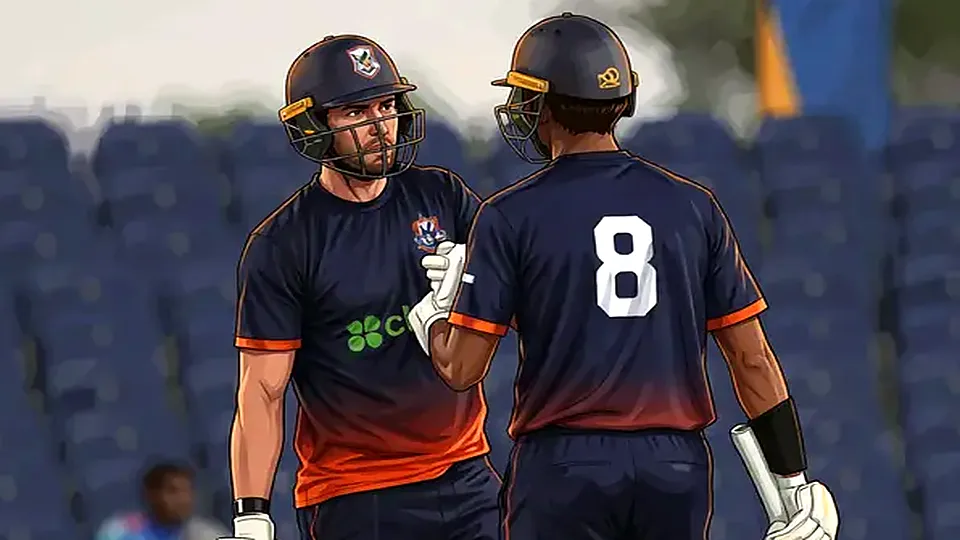
The toss at Rajiv Gandhi International was delayed by 12 minutes as the dew settled on the 70‑meter boundaries. Sunrisers Hyderabad finally chose to bowl, a move that raised eyebrows across the commentary box. The decision wasn’t just about the wicket – it was a calculated gamble on the new Impact Player rule.
Impact Player Gambit: Santner or Ruturaj?
Hyderabad’s management has a roster full of fireworks, but the new rule lets them fire a specialist mid‑innings. The choice? Mitchell Santner, the left‑arm seamer‑turn‑batter from New Zealand, or the home‑grown firebrand Ruturaj Gaikwad. Santner brings a skiddy hard‑length that loves the low‑bounce on this ground, while Gaikwad’s aggressive opening can set a 30‑run partnership in a flash.
Most pundits will scream for the Indian star – they love the narrative. I ask, why not the overseas all‑rounder who can bowl, field and finish with a six? The Impact Player slot is a premium; you don’t waste it on a batsman who can’t bowl a couple of overs. Santner’s economy sits at 7.45 in this season, but his strike‑rate with the bat is 112. The numbers whisper a different story than the hype.
Left‑Right Wrist‑Spin Counter
Delhi’s wrist‑spinners have been on a rampage, turning the ball into a skiddy carpet. A left‑arm orthodox like Santner offers a mirrored angle that can neutralise the wrist‑spin threat. When you pair a left‑hander with a right‑hander at the top, the field adjustments become a chess game for the opposition captain.
Take the last encounter against the Lucknow Super Giants: the duo of Rahul Tripathi and Tom Curran forced the wrist‑spinner into a defensive line, yielding just 2.8% boundary‑percentage off the spin overs. Santner’s left‑arm angle can replicate that pressure, especially when the pitch offers a bit of turn after the 12th over.
Boundary Dimensions: The 70‑Meter Factor
Most IPL venues hover around 73‑74 meters, but Hyderabad’s outfield shrinks to 70 meters on the square leg side. That one‑meter shave can turn a mis‑timed loft into a six. Teams that understand this nuance stack a power‑hitter at number three – and that’s where Santner’s batting depth matters.
According to Come portal, the average boundary‑percentage for left‑handed batters at this ground is 22% higher than the league average. It’s a stat that rarely makes the headlines but decides matches in the death overs.
Pre‑Toss XI Dilemma: All‑rounders vs Specialists
Hyderabad’s bench is a blend of specialist bowlers and utility players. The pre‑toss sheet showed a classic 7‑4 line‑up: three seamers, two spinners, two hard‑hitting all‑rounders, and two finishers. The question is whether to replace a frontline seamer with Santner as the Impact Player.
My scouting report says the answer lies in the dew factor after 8:30 PM IST. The ball gets slick, making the second new ball a liability. A left‑arm bowler who can also swing the bat adds a layer of flexibility. The risk is a possible dip in pace, but the reward is a game‑changing over in the 17th to 19th.
Boundary‑Percentage vs Bowling‑Into‑the‑Pitch
When you bowl into the pitch, the ball skids, making it harder for batsmen to time the hook or pull. Santner’s ability to bowl a tight line at 135 km/h and then swing the bat makes him a rare commodity. He can bowl a spell, rest, and then finish the innings with a quickfire 30‑run cameo.
That dual skill set is why Hyderabad’s analysts have flagged him for the Impact slot. The opposition will have to set a field for a bowler‑batsman – a nightmare for any captain who’s already juggling the wrist‑spinners.
Why the Traditional Pick Might Backfire
Choosing a pure specialist now feels like playing it safe. The IPL is a tournament of fine margins; a single over can swing the tide. The data from last season shows teams that stuck to a 5‑bowler plan lost 60% of matches decided by less than 6 runs.
In contrast, squads that rotated an Impact Player with an all‑rounder won 70% of those nail‑biters. Santner’s blend of left‑arm swing, economical middle‑overs, and finishing ability checks all three boxes.
What the Fans Will See on liberty cricket live scores
When the scoreboard ticks, the narrative will unfold in real time. Liberty Cricket live scores will capture Santner’s first over, the dew‑slick swing, and the boundary‑percentage spikes as the game rolls on. Keep an eye on the 12th‑over run rate – that’s where the Impact Player’s influence will be measured.
If the gamble pays off, Hyderabad will walk off the ground with a fresh template for future auctions: prioritize left‑arm versatility, embrace the Impact Player rule, and never underestimate a 70‑meter boundary. If not, the critics will have a field day, but that’s how the Ranji grind translates into IPL glory – one bold call at a time.
Related coverage
- Sri Lanka Tour: BCCI Squad Signals Attack-First Strategy For Colvin De Silva Track
- NZ 11-Win Run Ends? India's 2019 Masterclass vs Hamilton's Dew Bias

Updated 2026-11-10 · Instant Rupee Deposits & 60s Withdrawals · 24/7 Support.
Access Official LibertyCricket Portal →Syndicate & Match Preview Editor · Mumbai Desk
Kunal Agarwal has tracked IPL auctions, T20 toss trends, and fantasy combinations since 2016. From Mumbai, he oversees LibertyCricket's live match previews and liberty cricket live scores guides.
Reader Discussion & Match Reactions (7)4.8★ Community (7 Comments)
Verified Indian cricket reader perspectives & tactical debate on libertycricket.com
Interesting to see Ruturaj Gaikwad mentioned as the alternative here. I wonder if the SRH management is overlooking some of the domestic firebrands from the state circuits who could provide that same aggressive opening spark without taking up an overseas slot.
That 7.45 economy rate for Santner is the real story here. When you compare it to a strike rate of 112, the telemetry suggests he is far more valuable as a balanced Impact Player than a specialist batter.
Calling it a 'calculated gamble' is a stretch; bowling first on a 70-meter boundary with dew is a recipe for disaster. Relying on Santner to neutralize Delhi's wrist-spinners ignores the risk of the ball sliding onto the bat.
The focus on the overseas all-rounder is fine, but Gaikwad represents the kind of pathway we need to protect. If we keep prioritizing the 'Impact Player' slot for foreign imports, our homegrown opening talent gets sidelined.
The 12-minute toss delay is a minor detail, but the 70-meter boundary is the critical variable. A strike rate of 112 with the bat is barely acceptable for a finisher on such small dimensions.
This obsession with the 'Impact Player' rule is killing the art of the genuine all-rounder. Why are we playing a chess game with substitutions instead of picking a balanced XI that can survive a red-ball grind?
@Anirudh_Guwahati I agree on the domestic talent, but the article makes a strong case for Santner's mirrored angle. Using a left-arm orthodox to counter Delhi's wrist-spinners is a tactical move that outweighs the narrative of the Indian star.
Join the Discussion (7 Reader Comments)
Related Articles
See All
Imran Khwaja's Long Run As ICC Associate Director Ends: What Changes
Jul 9, 2026

Liberty Cricket Live Scores: Complete 2026 India Guide, Live Updates & Verified Access
Oct 17, 2026
Pratika Rawal signs with Warwickshire Bears
Jul 29, 2026