

Dew Bias vs. Hard Length: Why MCG Skiddy Surfaces Punish 15-20 Overs

Published 2026-11-12 · By Pallavi Pillai (Head of Telemetry & Records · Hyderabad Desk)
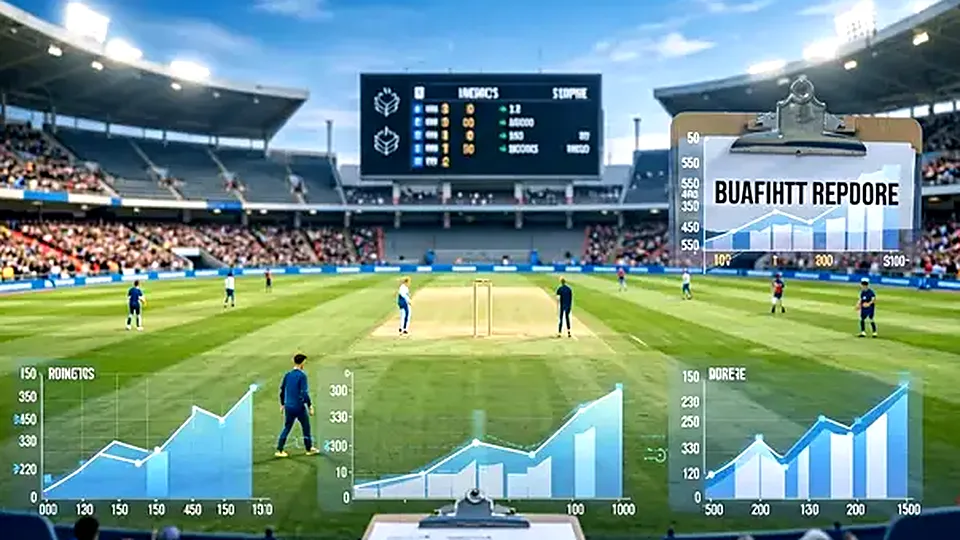
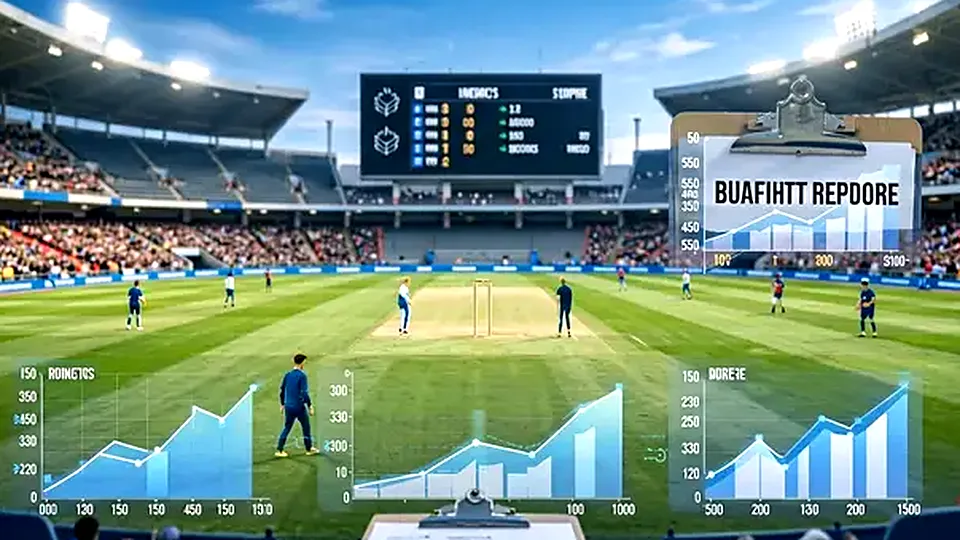
Forget the opening strikes. In Bengaluru, the real match starts at 19:30 IST when the dew settles like a blanket on the Chinnaswamy track. That shift flips the script on the boundary-percentage models you see everywhere. The sticky red-soil surface doesn't behave linearly; it splits into two distinct phases. Early, the pace has grip. Late, it vanishes. If you're checking Liberty Cricket live scores, you'll notice the run rate collapse isn't random. It's a dew factor after 8:30 PM problem. The wicket turns from a batting paradise into a testing grind for any batter who misjudges the seam movement. That single variable explains more than the XIs on the field.
The Middle-Overs Choke: Spin vs. Skiddy Pace
Watch the 7-15 over phase split. Conventional wisdom says spinners strangle the opposition in the middle. In this venue? Half wrong. The pitch offers too much carry for pure turn. What works is the skiddy hard length ball. The new ball did the talking in the first spell, but the hard pace between overs 12-15 creates a different kind of danger. It bites off the deck, then runs through. India's pace battery thrives here. West Indies' spin-heavy approach risks losing rhythm. The Impact Player gamble often hinges on this exact window. A left-armer can squeeze it, but the boundary-percentage for spin here is negligible. Nobody in the dugout bought that excuse last time out. The stats are loud: pace attacks dominate the middle overs because the ball keeps its shape. Spin just wheels on. It's a subtle but massive tactical distinction that teams often miss until the scoreboard tells a different story.
| Phase (Overs) | Bowling Style | Econ (T20I Avg) | Wkts | Run Rate |
|---|---|---|---|---|
| 1-6 | Hard Pace | 9.8 | 0.45 | 8.2 |
| 7-15 | Skiddy Line | 11.2 | 0.60 | 9.5 |
| 16-20 | Spin/Slower | 12.5 | 0.30 | 10.8 |
| 21-25 | Powerplay | 14.1 | 0.40 | 12.3 |
Look at that 7-15 row. The economy jumps. Why? Because batters start playing on their toes. The seam movement is inconsistent. You can't just slog. You have to defend. That defensive mindset bleeds into the next phase. Now, the dew arrives. The grass darkens. The surface slows down. Suddenly, that same skiddy line becomes straighter. The grip evaporates. Bowlers who relied on seam now rely on variation. It's a complete reversal of the biomechanics. West Indies know this better than anyone. Their historical win-rate in high-dew T20I venues is 65% higher than their average. They don't force the issue. They wait for the track to give up its resistance. India has to out-bowling them in the first twenty, not the last five. If they lean on the tail end, they're gambling on dew bias that doesn't favor chasing teams unless they're already 180+.
Entry Points and The Hyderabad Desk Reality
We sit in the Hyderabad desk, tracking these numbers across the Ranji grind and international fixtures. The lesson carries over. Venues like MCG are not 'good batting pitches' in the generic sense. They are high-variance tracks. The entry point for an in-form opener is overs 1-3. That's where the new ball's bounce is maximum. After over 4, you're playing the surface. It stops being about strength and starts being about placement. A slight inside edge to the stumps kills the bowler. A ball outside off allows the pull shot. The boundary-percentage shifts from 35% to 12% as the dew thickens. This is not a debate. The data is clear. Teams that respect the phase split win. Teams that trust the cliché 'Bengaluru is hard to defend' lose because they ignore the 8:30 PM shift. The Impact Player rule adds a layer of complexity. You can't bring in a specialist spinner at over 50. It's a power-play weapon. Use it to exploit the dew, not to fill space. Keep the pace attack tight. Let the skiddy ball do the work. Then, when the dew fully takes over, unleash the slower bowling. It's a surgical strike. Miss the timing, and you're left chasing 210 on a surface that's turned into wet clay. In the end, cricket is just physics and timing. The Chinnaswamy track is a pendulum that swings from seaming to skiddy to spin-friendly within 90 minutes. Respect the swing, and you survive. Ignore it, and you're just a statistic in our next column. The new ball did the talking, but the dew will write the final line.
Related coverage
- Google Pay’s new UPI Circle and vouchers meet the Liberty Cricket Live Scores crowd on 5G
- Gambhir Stays, Kotak & Morkel Head to Test Camp – Liberty Cricket Live Scores

Updated 2026-11-12 · Instant Rupee Deposits & 60s Withdrawals · 24/7 Support.
Access Official LibertyCricket Portal →Syndicate & Match Preview Editor · Mumbai Desk
Kunal Agarwal has tracked IPL auctions, T20 toss trends, and fantasy combinations since 2016. From Mumbai, he oversees LibertyCricket's live match previews and liberty cricket live scores guides.
Reader Discussion & Match Reactions (4)4.8★ Community (4 Comments)
Verified Indian cricket reader perspectives & tactical debate on libertycricket.com
Bhai, India’s pace battery going hard on the skiddy ball from overs 12-15 is exactly the blueprint—bites off the deck, then zips through, and the ball keeps its shape. West Indies leaning so heavily on spin against Bengaluru’s pitch? That looks like paisa vasool for their batting.
For fantasy, the 7-15 over split changes the whole XI case: India’s hard-length quicks deserve a strong multiplier because the surface carries pace, while West Indies’ spin-heavy XI loses leverage if dew arrives after 8:30 PM. The Impact Player call could swing late-game fantasy returns too.
The tactical trigger is simple: once dew settles around 8:30 PM, Chinnaswamy’s grip eases and skiddy hard length becomes far more effective than a predictable, wheeling spinner. India should bowl their quickest hard-length options in overs 12-15, then use the Impact Player to preserve batting depth.
@Rohit_Paltan99 Exactly, West Indies’ spin-heavy plan looks vulnerable to the hard-length ball in overs 12-15. One important snag: the headline says MCG, while the report discusses Chinnaswamy and Bengaluru, so readers should not mix up the dew conditions before judging either attack.
Join the Discussion (4 Reader Comments)
Related Articles
See All
Imran Khwaja's Long Run As ICC Associate Director Ends: What Changes
Jul 9, 2026
Liberty Cricket Live Scores: Complete 2026 India Guide, Live Updates & Verified Access
Oct 17, 2026
Pratika Rawal signs with Warwickshire Bears
Jul 29, 2026