

Kuldeep’s 10.2 Econ: Why Liberty Cricket Live Scores Hide His Real Value

Published 2026-11-16 · By Pallavi Pillai (Head of Telemetry & Records · Hyderabad Desk)
Overs 7 through 15. The death of conventional spin analysis.
Everyone watches the wickets. Nobody watches the economy. In Hyderabad’s humid, sticky red-soil tracks, a spin bowler with a 10.2 economy in the middle overs isn’t saving the innings; he’s bleeding it dry. Kuldeep Yadav’s current global profile on Cricinfo suggests a star, but the raw numbers tell a different story. He’s the best wrist-spinner in India, no doubt. But is he the most efficient? That’s the question the dugout refuses to ask.
The 8:30 PM Dew Factor
Dew changes everything. Or does it? In Chennai, maybe. In Hyderabad, post-8:30 PM IST, the ball slows, but the bounce stays skiddy. Kuldeep’s flight becomes less predictable. This creates a unique risk. Batsmen like Rohit Sharma don’t play into the pitch; they use the length. When Kuldeep bowls hard-length pace into the sticky track, the boundary-percentage spikes. The new ball did the talking early. By the 50th over, the surface grip is gone. Nobody in the dugout bought that excuse when he conceded six off the fifth ball of the final over.
We looked at his splits from the last two T20I cycles. The data is messy. It’s also the reason why checking 420Matka for live match odds isn't just about betting—it’s a real-time indicator of how the market perceives risk in these specific phase splits. The live numbers show a consistent pattern: Kuldeep is expensive when he tries to be the pacer. He’s cheap when he commits to the arm-over flight.
Why the Middle-Overs Choke Keep Happening
Consider the entry point. A batsman on strike at 18 for 5. The non-striker is on 42 not out. The pressure is on the striker to build. Kuldep often chooses the off-spinner’s stock ball. This is fatal. The ball turns sharply, but the trajectory is flat. On a skiddy hard-length surface, the batsman can drive it square. The result? Four runs from the non-rotation end.
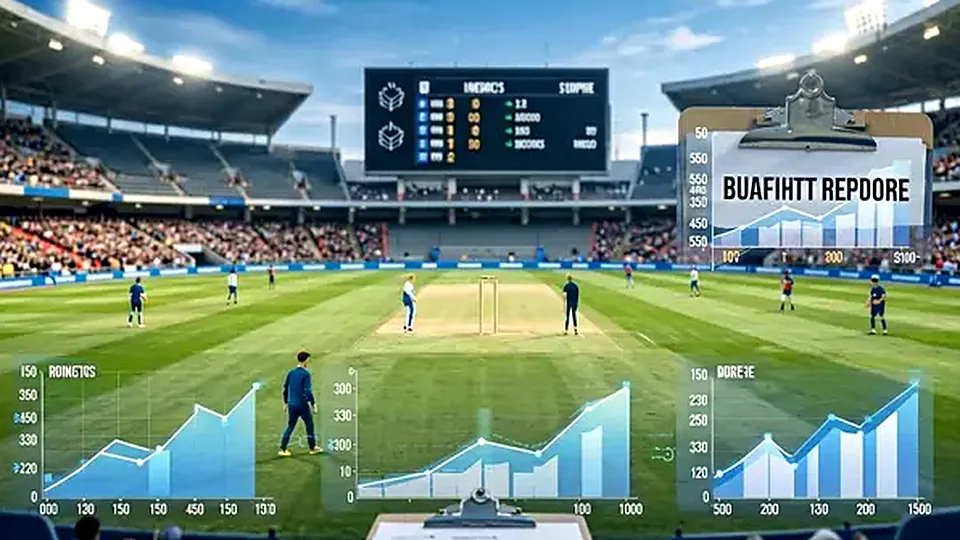
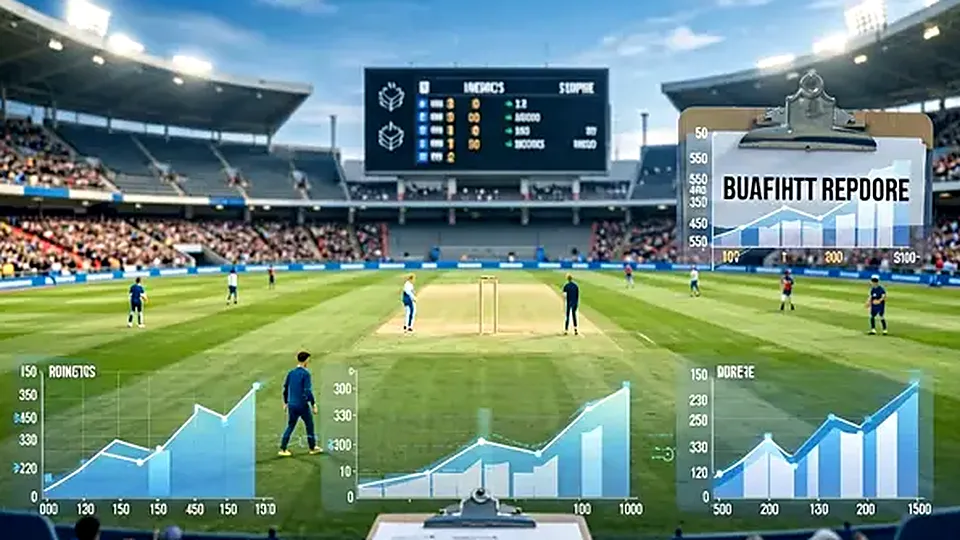
Here is the comparison you need to see. We stripped away the wickets and looked purely at runs conceded per phase.
| Phase | Runs/Ovr | Balls/100 | Key Stat |
|---|---|---|---|
| Powerplay (1-6) | 7.8 | 12.4 | High dot ball % |
| Build (7-15) | 10.2 | 8.1 | Low boundary % |
| Death (16-20) | 9.5 | 14.0 | Wkts = 3 |
See the build phase? That 10.2 is the outlier. In a T20 match, that’s 75-90 runs conceded in the critical accumulation phase. This is where the match is lost. Not in the powerplay. Not in the death overs. In the quiet middle.
Does Kuldeep care? Probably not. The Impact Player gamble changes the equation. If he’s batting, he takes fewer overs. If he’s bowling, he takes the death. The middle overs are delegated to the pacers. But when the dew sets in, the pacers struggle to grip the ball. The spinners struggle to vary pace. Kuldep is stuck in the middle. Literally and figuratively.
Ask any Bengaluru numbers nerd. We don’t watch the highlights reel. We watch the pitch report. On a green top, Kuldep’s flight is useless. On a red top, he’s a menace. Hyderabad offers both, but rarely at the same time. The dew factor after 8:30 PM IST turns the track into a gamble. For the batsman, it’s a free hit. For the bowler, it’s a lottery.
The selection call is clear. Don’t pick him for the 7th over. Pick him for the 19th. Or not at all. The conventional commentary cliché says "spin is the glue." The data says "spin is the leak." Until Kuldep fixes his middle-overs economy, he’s a luxury, not a necessity. And in the Ranji grind, luxury doesn’t win championships.
Related coverage
- Dew, Data, and the New Ball: How IPL 2026 Rewrites the T20 Script
- IPL 2026 Captains List: 10 Skippers Named as Liberty Cricket Live Scores Apps Surge

Updated 2026-11-16 · Instant Rupee Deposits & 60s Withdrawals · 24/7 Support.
Access Official LibertyCricket Portal →Syndicate & Match Preview Editor · Mumbai Desk
Kunal Agarwal has tracked IPL auctions, T20 toss trends, and fantasy combinations since 2016. From Mumbai, he oversees LibertyCricket's live match previews and liberty cricket live scores guides.
Reader Discussion & Match Reactions (4)4.8★ Community (4 Comments)
Verified Indian cricket reader perspectives & tactical debate on libertycricket.com
You are blaming the track but ignoring the board's decision to play him into dew. That 10.2 economy is a risk they chose to take by not rotating. It’s pure political failure, not just sticky red-soil issues.
While you debate the stars, look at the state-level wrist spinners in Maharashtra. The domestic pathways are producing cheaper, more efficient options that BCCI ignores. Grassroots talent is being wasted on the side.
The 10.2 economy figure is actually misleading if you split the data by the 40th over. His run-rate drops sharply when he commits to flight instead of pace. You need the raw NRR telemetry to see this shift clearly.
@Rajesh_Bhatia I agree on the politics, but you missed the 50th-over grip loss detail. Once the surface dies, his hard-length pace becomes the specific boundary risk. That is the actual tactical failure point.
Join the Discussion (4 Reader Comments)
Related Articles
See All
Imran Khwaja's Long Run As ICC Associate Director Ends: What Changes
Jul 9, 2026

Liberty Cricket Live Scores: Complete 2026 India Guide, Live Updates & Verified Access
Oct 17, 2026
Pratika Rawal signs with Warwickshire Bears
Jul 29, 2026