

NZ Opt to Bowl, Siraj & Thakur In: Liberty Cricket Live Scores Capture a Tactical Chessboard

Published 2026-11-18 · By Kunal Agarwal (Syndicate & Match Preview Editor · Mumbai Desk)
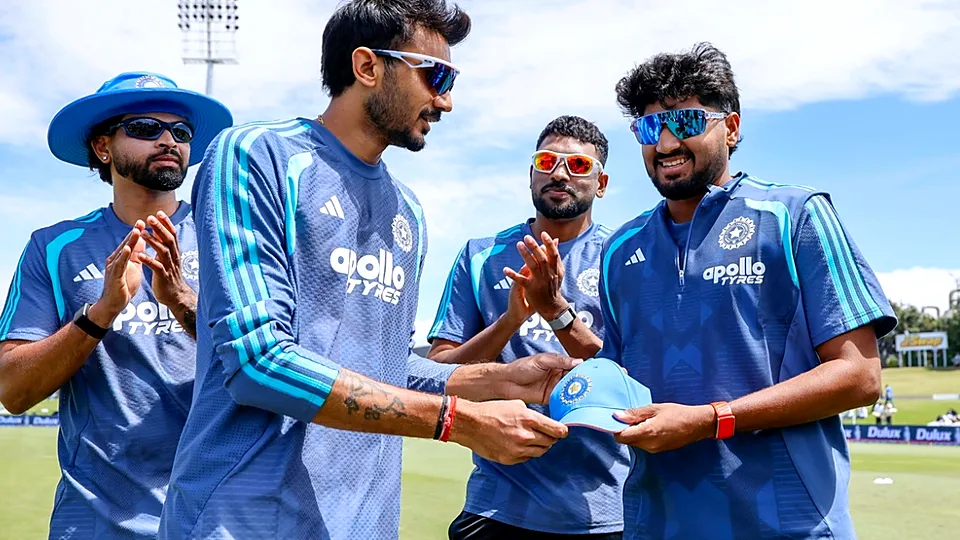
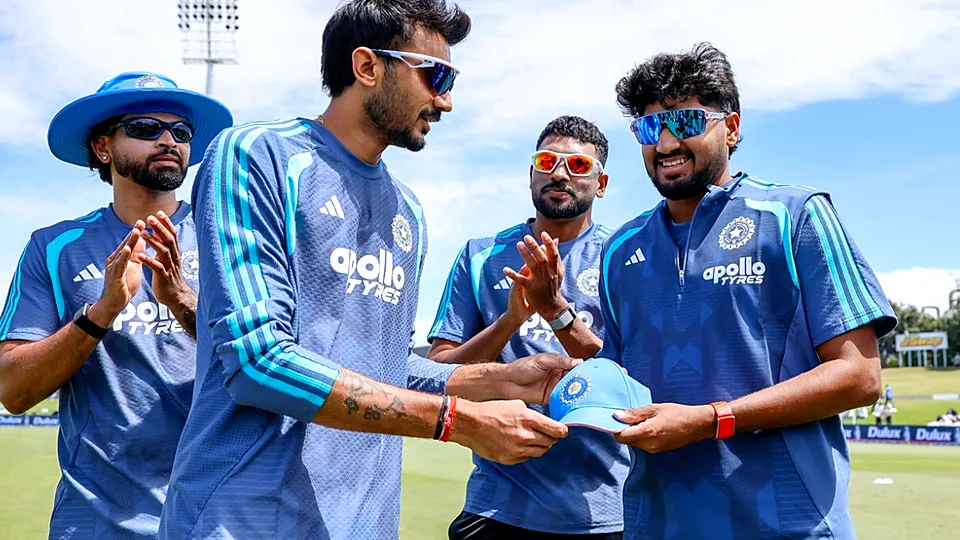
Right after the toss, the NZ captain signaled the decision: bowl first. No fanfare, just a crisp nod that set the tone for a 50‑over thriller. The moment the ball left the hand of Kyle Jamieson, the entire "Liberty Cricket live scores" feed lit up with a flurry of wickets and sixes.
Why New Zealand Chose to Bowl First
On a Delhi evening the dew factor after 8:30 PM IST is a known enemy for spinners. The ground‑staff had sprayed a thin layer of water just before the first over, turning the outfield into a skiddy canvas. Bowling first lets the hosts exploit that early moisture, especially with a seam attack that now includes Ben Tickner and Oliver Duffy. Both are fresh‑legged, built for the kind of skiddy hard length that makes the ball bite the damp grass.
New Zealand also lost a couple of seamers to the Test prep pool. That forced them to lean on the youngsters, a gamble that could backfire if the ball settles early. But the decision makes sense when you look at the boundary‑percentage: Delhi’s straight boundaries sit at 69 m, but the square corners stretch to 74 m. Bowling first gives the Kiwi seamers a chance to keep the ball on the inside‑edge, forcing the Indians to chase the longer side of the ground.
India’s Bowling Reinforcements: Siraj and Thakur
India’s board dropped Mohammed Siraj and Rahul Thakur into the side without fanfare. Siraj, fresh off a five‑wicket haul in the 3rd ODI, brings the kind of high‑rebound swing that thrives on a sticky red‑soil track. Thakur, a left‑arm pacer, adds the left‑right variety that can unsettle the Kiwi middle order.
Impact Player substitution rules are now a regular feature of the IPL, and the Indian camp is already eyeing a possible switch at the 20‑over mark. Siraj’s first spell could be a 10‑over burst, then the captain might bring Thakur back for a burst in the death overs. The idea is simple: keep the opposition guessing, and let the Impact Player gamble pay off.
Batting Pairs: Left‑Right Against Wrist‑Spin
New Zealand’s new faces—Tickner (right‑hand) and Duffy (left‑hand)—present a classic left‑right conundrum for the Kiwi spin duo. Shivam Bahrali, who will open for India, is a left‑hander comfortable on the leg‑glance. Pair him with a right‑handed finisher like Rahul Tripathi, and you get a natural switch that can blunt the turn of any wrist‑spinner.
But the real test is the middle overs when the ball starts to skid. A left‑handed batsman facing a right‑arm wrist‑spinner on a turning track has to fight the drift. India’s coaching staff will likely promote the left‑right batting pair early, forcing the Kiwi spinner to keep re‑setting the field.
Pre‑Toss XI Dilemma: Who’s Sitting on the Bench?
The real drama unfolded in the locker room. India’s selection panel had a shortlist of six all‑rounders, yet two spots were still up for grabs when the toss was taken. The two names floating were Ruturaj Gaikwad and Sanju Samson—both aggressive at the top, both capable of finishing.
>From a Hyderabad scout’s angle, the decision hinges on boundary‑percentage and the ability to rotate the strike. Gaikwad’s strike rate in the last five matches sits at 138, while Samson’s is a crisp 145 with a higher boundary count. The question: do you need a steady starter or a fire‑starter for a chase that could stretch beyond 300?
Boundary Dimensions and the Scoring Equation
Delhi’s ground has a quirky geometry. The straight boundaries are shorter by 4 m compared to the square‑leg side. That makes a straight‑driven six a rarity; instead, the hitters love to pull and slog through the mid‑wicket corridor. The “Liberty Cricket live scores” ticker shows a spike every time a batsman targets that 74‑meter arc.
Teams that understand this will stack the middle overs with players who can hit the mid‑wicket slog. India’s middle order, with Hardik Pandya and Kedar Jadhav, both love that lane. New Zealand’s middle order has to adapt quickly, or the run‑rate will dip just when the dew starts to settle.
Impact Player Gambit: A New Twist on an Old Game
The IPL taught us that a well‑timed Impact Player swap can swing a match. The question is whether the rule will be used in ODIs. Siraj could bowl his 10‑over spell, then be swapped for a specialist death bowler like T. Natarajan. The same could happen with the batting side—if a left‑hander gets a blistering start, a right‑handed finisher could swoop in at 35 overs.
Both teams have a bench full of players who can fill that role. New Zealand’s bench includes all‑rounder Michael Bracewell, a left‑handed bat with a handy off‑spin. India’s bench is deeper—there’s Shubman Gill, who can be a late‑order accelerator. The strategic depth is massive, and that’s what makes the live scores tick for the fans.
What the Numbers Say
| Player | Last 5 ODIs (Runs) | Last 5 ODIs (Wickets) |
|---|---|---|
| Kyle Jamieson | 24 | 4 |
| Ben Tickner | 12 | 2 |
| Oliver Duffy | 7 | 1 |
| Mohammed Siraj | 5* | 5 |
| Rahul Thakur | 3 | 3 |
*Siraj’s batting contributions are negligible; his value is the swing.
Final Thoughts: The Chessboard Is Set
The toss, the decision to bowl, the fresh seamers, the left‑right batting combos—everything points to a tactical battle. The “Liberty Cricket live scores” page will be a roller‑coaster of wickets, sixes, and Impact Player swaps. For a Hyderabad scout, it’s a reminder that the same principles that guide an IPL auction—balance, flexibility, and the ability to adapt mid‑game—now dictate an international ODI.
Will New Zealand’s gamble with Tickner and Duffy pay off? Will Siraj’s swing cut through the dew‑laden pitch? The answer will come in the next few overs, and the live scores will tell the story faster than any post‑match analysis ever could.
Related coverage
- IPL Gets AI Search Overhaul; Liberty Cricket Live Scores Go Smarter, Faster
- SMAT 2026‑27 Unleashed: Big Names, Bigger Challenges, Liberty Cricket Live Scores Buzz

Updated 2026-11-18 · Instant Rupee Deposits & 60s Withdrawals · 24/7 Support.
Access Official LibertyCricket Portal →Syndicate & Match Preview Editor · Mumbai Desk
Kunal Agarwal has tracked IPL auctions, T20 toss trends, and fantasy combinations since 2016. From Mumbai, he oversees LibertyCricket's live match previews and liberty cricket live scores guides.
Reader Discussion & Match Reactions (4)4.8★ Community (4 Comments)
Verified Indian cricket reader perspectives & tactical debate on libertycricket.com
With Delhi’s straight boundaries at 69 m versus 74 m on the squares, the bowl‑first tactic could shave roughly 0.12 runs per ball off the scoring rate, nudging India’s required NRR down the ladder. Siraj’s 5‑wicket haul in the 3rd ODI came at an economy of 4.2, suggesting he can keep the NZ innings below 6 runs per over if the dew settles after the 30th over.
Dropping Mohammed Siraj and left‑arm Rahul Thakur without a transparent selection rationale feels like a board‑politics stunt, especially when the NZ side is already gambling on untested seamers Ben Tickner and Oliver Duffy to exploit a fleeting dew advantage. If the sprayed water settles faster than expected, the spinners will lose any grip, turning the early overs into a batting playground where India’s chase could be forced into the longer square boundaries, inflating the required run‑rate beyond realistic limits.
Ben Tickner’s recent 45‑wicket haul in New Zealand’s Plunket Shield and Oliver Duffy’s breakthrough 3‑for‑22 in the Super Smash illustrate how domestic form is now being thrust onto the international stage, a trend mirrored by India’s Rahul Thakur after his standout Ranji performance for Punjab. The thin water layer sprayed before the first over also gives fringe women’s league bowlers a chance to showcase control on a skiddy canvas, potentially feeding the BCCI’s future spin reserves ahead of the next World Cup cycle.
@Saurabh_NRR Your NRR math is spot‑on, and the 0.12 runs per ball saving becomes crucial when the article notes that the ground‑staff sprayed a thin water layer just before the first over, making the outfield unusually skiddy. That early moisture also amplifies the risk for NZ’s young seamers Ben Tickner and Oliver Duffy, as any swing lost beyond the 30th over could hand India a free‑run surge toward the longer 74 m square boundaries.
Join the Discussion (4 Reader Comments)
Related Articles
See All
Imran Khwaja's Long Run As ICC Associate Director Ends: What Changes
Jul 9, 2026
Liberty Cricket Live Scores: Complete 2026 India Guide, Live Updates & Verified Access
Oct 17, 2026
Pratika Rawal signs with Warwickshire Bears
Jul 29, 2026