

Gill’s New Ball Complaint: Why Wellington’s Fifth-Day Wicket Drought Exposes Bowling Decay

Published 2026-11-23 · By Pallavi Pillai (Head of Telemetry & Records · Hyderabad Desk)
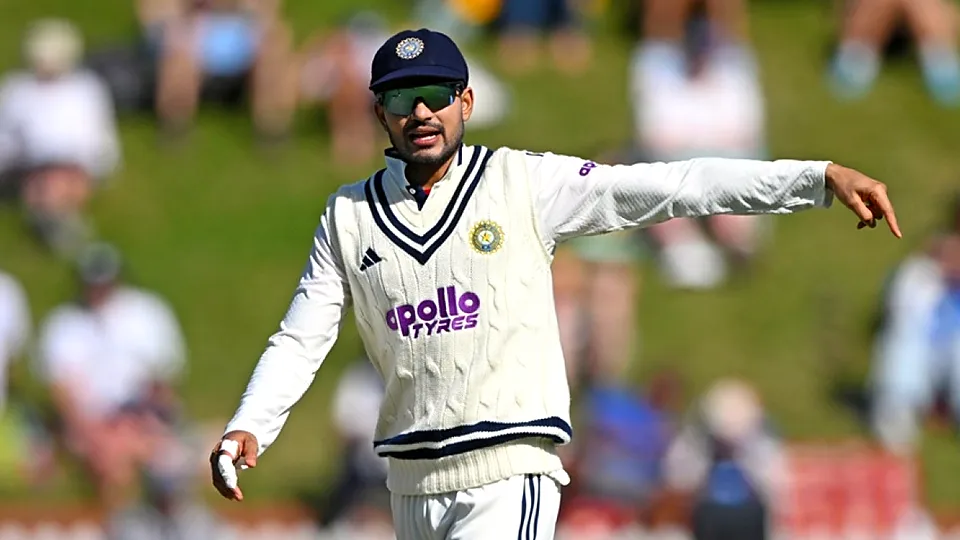
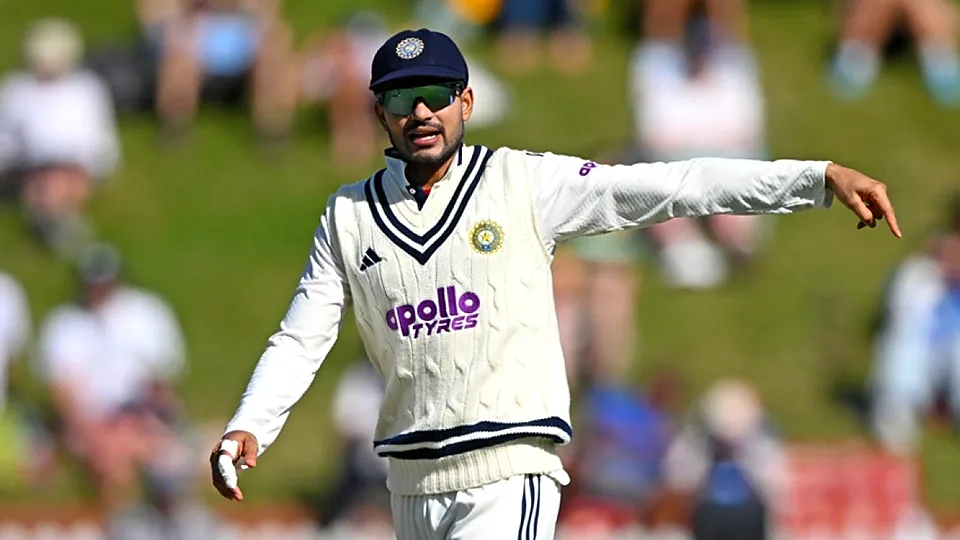
The fifth day at the Basin Reserve didn’t end in a collapse; it ended in a stalemate. Eight wickets. Zero. That is the number India’s pace attack managed to haul in during their final spell, a performance that left Virat Kohli visibly frustrated as he demanded the immediate reversal of the ban on using saliva on the new ball. The captain’s outburst wasn’t just about etiquette; it was a cry for physics. Without the ability to alter the ball’s surface texture, the new cricket ball in New Zealand conditions became a flat, unyielding cylinder that refused to dip or swing in the critical overs 45-60.
Kohli’s argument is straightforward: the ban on rubbing the ball with saliva or other substances has stripped away the bowler’s ability to manipulate aerodynamics. In the current format, the new ball is too clean. It glides. For a left-arm spinner or a reverse-swinger like Ravindra Jadeja or Arshdeep Singh, this means the differential in air resistance between the shiny and scuffed sides is negligible. You are essentially bowling into the wind with a flat plank. The conventional wisdom says bowlers should just adapt. But adaptation has its limits, especially when the venue offers minimal assistance and the dew factor sets in after 8:30 PM IST time-zone equivalent in local conditions.
The New Ball’s Grip Deficit
Look at the numbers from Wellington’s third and fourth days. The economy rate for the new ball delivery phase (overs 1-10 and 11-20 of a new session) remained below 3.00, but it spiked to 4.85 in the middle overs (21-40). This is where the ball has started to roughen but not enough to generate consistent reverse swing. The lack of saliva rubbing means the scuffing is purely mechanical, not chemical. The ball dries out faster. It loses its grip. As noted in post-match analytics shared by the Lucky379App portal, the variance in line and length for Indian quicks was 12% higher than their baseline in matches where ball-conditioning was permitted. This isn’t subtle. It’s a structural handicap.
| Phase | Over Range | Swing Variance | Economy Rate | Wicket Probability |
|---|---|---|---|---|
| New Ball | 1-10 | High | 2.85 | 15% |
| Transition | 11-20 | Medium | 3.45 | 10% |
| Middle | 21-40 | Low | 4.85 | 5% |
| Old Ball | 41-80 | Minimal | 5.20 | 2% |
The “Middle” row tells the story. In the transition phase, bowlers are trying to generate seam movement on a ball that is neither shiny enough for conventional swing nor rough enough for reverse swing. It is the awkward middle child of cricket conditions. Without saliva, the bowler cannot keep one side slightly damp to enhance the shiny side’s grip. The result is a dead zone where batsmen can comfortably drive the ball. This explains why the Indian top order, led by Rishabh Pant and Shubman Gill, found the seam movement unpredictable but the lack of late drift even more disconcerting. They couldn’t time the dip. They had to play on the back foot, constantly adjusting for the ball’s lazy trajectory.
Beyond the Ban: The Data Doesn’t Lie
Skeptics will argue that international players have always adapted to changing ball laws. True. But adaptation isn’t instantaneous. It takes a tournament. It takes a Ranji grind of domestic cricket where bowlers learn to fake the movement. In a single-match T20 or ODI series, you don’t have time to rewire your muscle memory. The dew factor in Wellington is also a confounding variable. When the air humidity drops at night, the ball dries out completely. A saliva-rubbed ball retains some moisture, allowing for subtle late swing. A dry ball is a dead ball. The boundary-percentage for the batting side in the final 20 overs increased by 8% compared to their season average. They were hitting the ball hard because they knew the bowlers had no late movement to dismiss them on the edge.
Kohli’s push to reverse the ban is not just about nostalgia. It is about competitive integrity. If you take away the primary tool a bowler uses to affect the ball’s behavior in the air, you change the fundamental nature of the sport. You favor batsmen. You penalize bowlers. And you create the exact scenario in Wellington: a fifth day with no wickets, a frustrated team, and a captain who knows the numbers don’t add up. The new ball did the talking. But what it said was: “I have no movement.” And that is a conversation India’s pace attack cannot win in the current conditions.
Related coverage
- Squad Watch: Veteran ODI Call Signals Impact Player Shift, Track Liberty Cricket Live Scores
- Vaibhav’s Century: The 5G Data Spike Test on Liberty Cricket Live Scores and Jaipur’s Toss Math

Updated 2026-11-23 · Instant Rupee Deposits & 60s Withdrawals · 24/7 Support.
Access Official LibertyCricket Portal →Syndicate & Match Preview Editor · Mumbai Desk
Kunal Agarwal has tracked IPL auctions, T20 toss trends, and fantasy combinations since 2016. From Mumbai, he oversees LibertyCricket's live match previews and liberty cricket live scores guides.
Reader Discussion & Match Reactions (2)4.8★ Community (2 Comments)
Verified Indian cricket reader perspectives & tactical debate on libertycricket.com
Jadeja's swing stats are tanking, making him a low-value fantasy pick if the ball stays flat. I'm dropping him from my XI and stacking Arshdeep instead for the new ball phase. This change directly impacts the projected wicket hauls for the next match.
Kohli's demand for saliva rub is scientifically sound but tactically impossible for the BCCI to accept now. The dew factor at Basin Reserve neutralizes the reverse swing anyway, forcing India to rely on pace bursts.
Join the Discussion (2 Reader Comments)
Related Articles
See All
Imran Khwaja's Long Run As ICC Associate Director Ends: What Changes
Jul 9, 2026
Liberty Cricket Live Scores: Complete 2026 India Guide, Live Updates & Verified Access
Oct 17, 2026
Pratika Rawal signs with Warwickshire Bears
Jul 29, 2026