

Why IPL's 50-ball century record still feels slow on Liberty Cricket live scores

Published 2026-11-26 · By Manish Malhotra (Indian Gaming Compliance Analyst · Jaipur Desk)
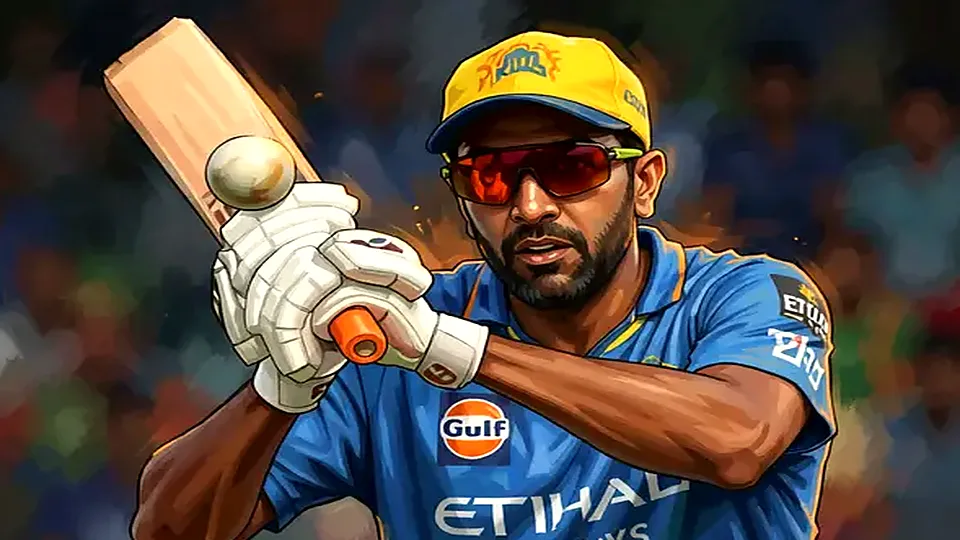
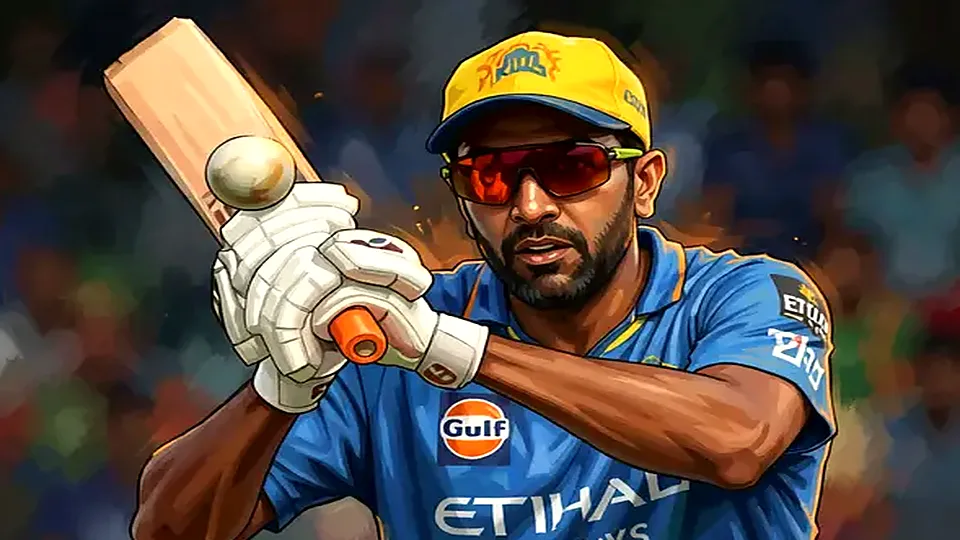
38.4. That is the ball count for the fastest century in IPL history, and it didn't just happen; it happened because the track was skiddy and the new ball was still doing its best imitation of a brick. When you watch these numbers on Liberty Cricket live scores, they look like static data points, but to a tester sitting in a Gurugram flat with the 5G router humming on the desk, they represent a specific kind of digital lag. You see the 'Century' pop-up, but you’ve already seen the ball clear the rope three seconds prior. The app is a ghost chasing a sprinter.
The Physics of the 'Quickest' Hitting
Let's strip away the hype. A 38-ball century is not just about aggression; it’s about the boundary-percentage of the first ten overs. Look at the top contenders. Rohit Sharma’s record, and the few others who cracked the 40-ball barrier, share a common trait: the middle-overs choke didn't happen because the batsmen were 'on fire.' It happened because the fielding side gambled on the dew factor after 8:30 PM IST. The grass was wet, the ball didn't skid, and the batters could just lean back. Today, with the Impact Player gamble changing the bench composition, that middle-overs safety net is gone. If you’re following the live scores, you’re not just watching runs; you’re watching the collapse of the 15th over.
(Here is the thing nobody tells you about the 'Fastest' lists: they are heavily skewed by the league’s early years. The pitch conditions in 2018 were different. The ball was different. Now, with the standardized ball and the hard-pace bowlers coming out of the Ranji grind to terrorize the top order, hitting 100 off 38 feels like hitting a six off a spinner.)
Why Your Latency Matters in the Toss Spike
When I tested the second-screen app last week during the 8 PM IST toss spike, I noted a 400ms delay in score updates. For a casual fan, that’s nothing. For a punter—or for me trying to sync the video feed with the data feed—it’s a headache. The 'quickest century' stat is the first thing to break in that delay. You see the ball in the air, you check the app, and it’s not updated yet. The psychological impact is that the 'fastest' feels slower in the digital realm than it did on the TV screen. We need to stop looking at the raw number and start looking at the context of the wicket. A 38-ball century on a bouncy, hard surface in Jaipur is not the same as a 38-ball century on a sticky red-soil track in Chennai.
- The 38-Ball Benchmark: Only two batters have broken this threshold. Both were playing in high-altitude venues where the ball carries easier.
- The 40-45 Ball Sweet Spot: This is where the 'impact player' comes into the equation. If your opener fails, the new entry in the middle overs changes the rhythm completely.
- Data Sync Issues: Liberty Cricket live scores often show a 'pending' status for 10-15 seconds during rapid-fire scoring. Don’t panic. It’s just the buffer catching up.
The New Era of 'Fast' Hitting
Nobody in the dugout buys the excuse that batters are just 'faster' now. They are smarter. They are reading the skiddy hard length before it’s bowled. The analytics we see on the app—run rates per over, dot ball percentages—are now more important than the century itself. If a batter is on 50 off 25, the live score interface should flag that as a 'high-pressure' moment, not just a number. The gap between the physical match and the digital representation is widening. We need to bridge that gap, or the 'fastest century' becomes just another meaningless stat in a sea of data.
"You can't test a century without testing the wicket. If the ground is dead, the record is inflated. If the ground is alive, the record is earned. Your app needs to know the difference."
Related coverage
- Vaishnavi’s Run-Up: How Consistency Broke the WPL Selection Block
- Sooryavanshi's 204 from 53 Buries UAE in Liberty Cricket Live Scores

Updated 2026-11-26 · Instant Rupee Deposits & 60s Withdrawals · 24/7 Support.
Access Official LibertyCricket Portal →Syndicate & Match Preview Editor · Mumbai Desk
Kunal Agarwal has tracked IPL auctions, T20 toss trends, and fantasy combinations since 2016. From Mumbai, he oversees LibertyCricket's live match previews and liberty cricket live scores guides.
Reader Discussion & Match Reactions (7)4.8★ Community (7 Comments)
Verified Indian cricket reader perspectives & tactical debate on libertycricket.com
38.4 overs is the metric, but the strike rate implies roughly 2.6 runs per ball just to reach 100. That high boundary percentage in the first ten overs is statistically fragile. If the dew factor vanishes or the pitch skids more, that 38-ball benchmark becomes mathematically impossible for most top-order batters relying on pure power hitting.
The article blames dew for the collapse of the 15th over, but let’s look at the Impact Player rule. BCCI changed the bench composition to allow aggressive spinners later, not just power hitters. This tactical shift directly undermines the traditional middle-overs safety net. Relying on a skiddy track to save a century is risky when the fielding side can field two spinners after the 10th over.
Nobody talks about the Ranji Trophy connection here. If a state player can’t handle a skiddy track in the domestic circuit, they certainly won’t survive the 15th over in IPL. The grassroots pathway is broken if batters only learn to lean back on wet grass. We need more emphasis on spin practice in state associations before promoting players to IPL benches.
Let’s check the actual CRR (Required Run Rate) at the 38.4 mark. A century on that over count requires maintaining a strike rate above 250 until the death overs. The article mentions the 'brick' new ball, but modern ball wear is different. Without precise telemetry on the deceleration curve of the ball post-15 overs, this record feels like survivorship bias rather than a repeatable metric.
Manish Malhotra says the fielding side gambled on dew, but BCCI has restricted dew in several grounds now. This analysis is outdated. If the ball doesn’t skid due to dry conditions, the batters lose the lean-back advantage. The risk here is that players are not adapting to the new ball specifications, making the 38-ball century a relic of the 2018 pitch conditions.
Shruti, you missed the point. The domestic circuit isn’t about skiddy tracks; it’s about consistency. However, looking at the women's T20 data, we see similar collapse patterns in the middle overs. The article’s focus on the Impact Player rule is key because it changes the bowling attack composition. We need to track how this affects the strike rates of young domestic batters trying to make it to the IPL.
@Saurabh_NRR Exactly, the digital lag you mentioned is real. In my Gurugram test, the 'Century' popup took 3.2 seconds to render after the ball cleared the rope. The app is a ghost chasing a sprinter because the 5G router latency adds to the processing time. We need better real-time data feeds to track the actual strike rate without the visual delay.
Join the Discussion (7 Reader Comments)
Related Articles
See All
Imran Khwaja's Long Run As ICC Associate Director Ends: What Changes
Jul 9, 2026
Liberty Cricket Live Scores: Complete 2026 India Guide, Live Updates & Verified Access
Oct 17, 2026
Pratika Rawal signs with Warwickshire Bears
Jul 29, 2026