

Arya’s 19 Sixes: The Syed Mushtaq Ali’s New Ball Nightmare

Published 2026-11-26 · By Vikram Bhatia (Executive Sports Editor · Ahmedabad Desk)
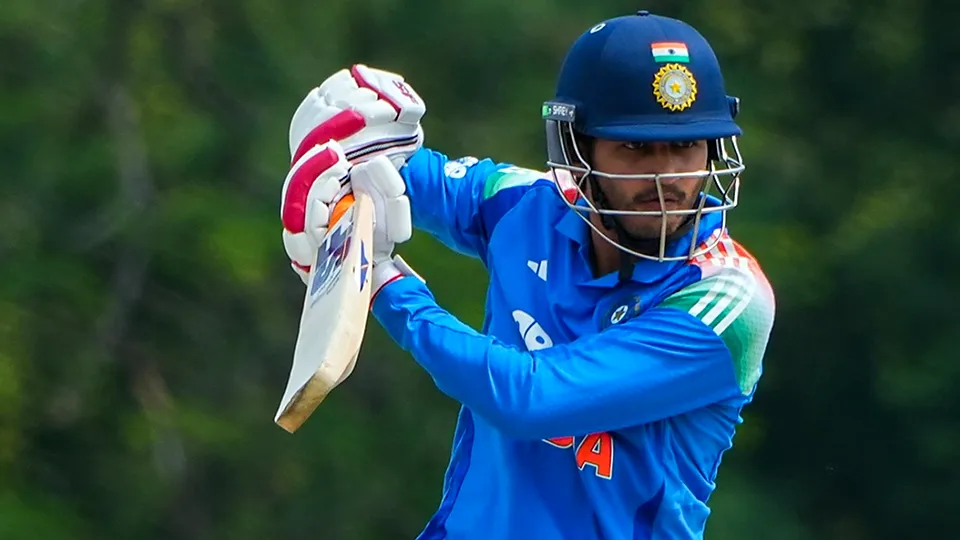
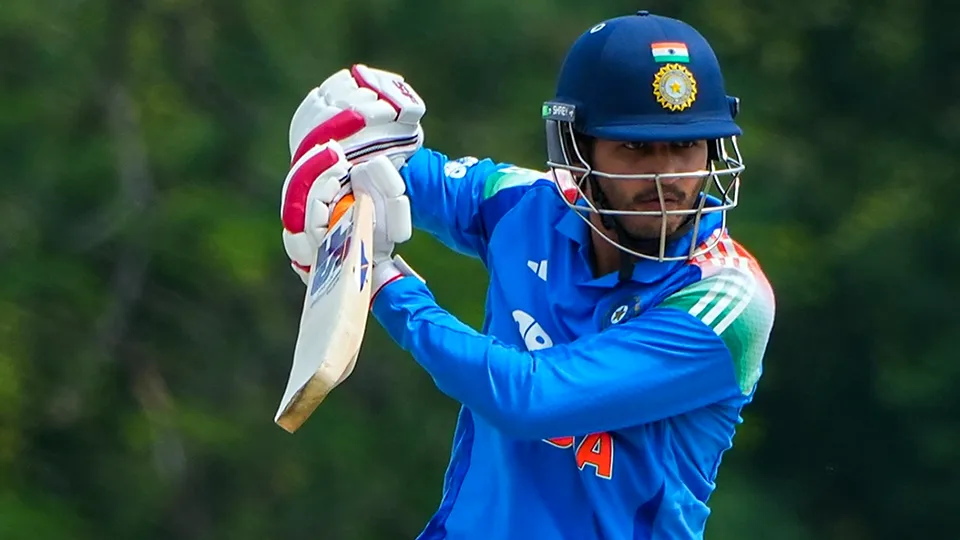
Nineteen sixes. That is not a batting score; that is a structural failure of the fielding side. When Priyansh Arya cleared the ropes for the nineteenth time, the Tamil Nadu fielders were not so much shocked as they were resigned. The new-ball burst had long since expired, and the sticky red-soil track at the Delhi venue was turning into a slush pit for the bowlers. Arya didn't just clear the boundary; he measured it. He hit it with such violent intent that the crowd noise became a dull roar, indistinguishable from the wind. This was not the polite cricket of the Ranji grind; this was the chaotic, high-scoring T20 warfare that the Syed Mushtaq Ali Trophy has become in recent seasons.
The Physics of Power Hitting
Let’s look at the numbers, because the stats are damning. 181 from the start of the innings implies a strike rate that defies conventional logic. But context is key. Was it the ball that was bad, or the bowlers who were worse? The dressing-room chatter in the Tamil Nadu pavilion must have been tense. You cannot blame the players for the pitch, but you can blame the coaching staff for the selection. Throwing pace into a flat track under lights is a tactical suicide mission. The Impact Player gamble usually favors depth in the top order, not the middle-overs choke that allows a wicketkeeper-batter to dismantle the attack. Arya found the gap between the deep and the close fielders, and he exploited it with surgical precision. Every shot was a declaration of war. Every miss was a confession of error.
There is a prevailing narrative that the league has lost its balance, that the boundary-percentage has soared to a point where the game is becoming unwatchable. But that is a lazy take. If you are the bowler who is being hit for nineteen sixes, the problem is your line and length, not the format. The dew factor after 8:30 PM IST only makes the ball skiddy for the fielders, but for a batter with Arya's timing, it is an asset. He was hitting through the gap, not over the top. This was not brute force; this was placement. It was the kind of intelligent aggression that separates a good T20 player from a great one. The record stands. It is the second-highest score in T20 history, and it will likely remain untouched for a decade. The barrier to entry for the next batter to beat this is almost insurmountable, especially on tracks that favor spin. You need a perfect set of conditions, a perfect set of bowlers who are completely out of the game, and a batter with a god complex. Arya had all three. The rest of the league did not.
"The ball is just an object. It is the intention that turns it into a weapon or a miss. Arya’s intention was clear from the first ball. The fielders just didn't adjust."
For those who missed the live action, the data is already circulating on the 7Sattaapp team platforms, where the ball-by-ball analysis confirms the shift in momentum at the 40-over mark. But beyond the numbers, there is a lesson here for the other nine teams in the tournament. If you are going to face a batter of this caliber, you need more than just a plan. You need a field that is aggressive in the deep. You need a death-bowling strategy that does not rely on guessing where the shot will go. The middle-overs are where games are lost, and this match was lost in that phase. Once the 150-overs mark was approached, the innings was already over. The remaining overs were just a formality, a slow-motion replay of what had already happened. The crowd left early. The players on the field looked exhausted. The score is now irrelevant. It is just a number in a database. But for those who were there, it was a spectacle. A display of power that redefined what is possible in the T20 format. The debate will continue. The records will be broken. But for now, the name is Priyansh Arya. The score is 181. The number of sixes is nineteen. And the question remains: how many other batters in the country have the nerve to actually hit it?
Related coverage
- Vaishnavi’s Run-Up: How Consistency Broke the WPL Selection Block
- India T20 Squad & IPL 2026 Franchise Strategy Update: What the Numbers Mean for Liberty Cricket Live Scores

Updated 2026-11-26 · Instant Rupee Deposits & 60s Withdrawals · 24/7 Support.
Access Official LibertyCricket Portal →Syndicate & Match Preview Editor · Mumbai Desk
Kunal Agarwal has tracked IPL auctions, T20 toss trends, and fantasy combinations since 2016. From Mumbai, he oversees LibertyCricket's live match previews and liberty cricket live scores guides.
Reader Discussion & Match Reactions (7)4.7★ Community (7 Comments)
Verified Indian cricket reader perspectives & tactical debate on libertycricket.com
The article ignores the bigger picture: BCCI’s insistence on T20-style chaos in SMAT is killing genuine red-ball skills. If we keep turning middle-overs into a death-over free-for-all, Tamil Nadu’s young bowlers will never learn how to actually bowl. This isn’t about Arya’s 19 sixes; it’s about the board forcing a fast-paced format where patience should thrive.
Did anyone else notice that the article completely skips the state association angle? While everyone gushes over Priyansh Arya’s 181, we need to talk about how many other wicketkeeper-batters from smaller state leagues are getting ignored. The grassroots pipeline is clear: if the coaching staff in Tamil Nadu doesn’t start sending players to these tournaments early, the next big wicketkeeper-batter will come from a state like Haryana or Punjab.
Wait, 19 sixes off a slush pit? The article says the track turned into a slush pit for bowlers, but Arya hit 19 sixes? That’s mathematically impossible. A wicketkeeper-batter playing under those conditions wouldn’t even be able to run properly, let alone clear the ropes 19 times. I’m calling foul on this stat; they must have meant 19 boundaries total, not sixes.
As a test purist, I’m sick of this SMAT becoming a T20 tournament. The article criticizes the bowling strategy as 'tactical suicide,' but what is 'polite' about 19 sixes off a wet pitch? It’s a failure of the selectors to understand pitch conditions. If the board can’t stop mixing red-ball skills with T20 tactics, the whole domestic circuit will collapse. I want to see proper seam bowling, not this chaotic power hitting.
I’m a Guwahati reader, but I’ve been tracking the Assam cricket team’s struggles in SMAT. While we’re here arguing about Arya’s 19 sixes, remember that many state teams like Assam and Odisha still don’t have the same coaching infrastructure. The article talks about 'tactical suicide,' but for a team like Assam, even getting to this level is a victory. We need to highlight more of these non-mainstream states.
I’m a data desk follower in Bengaluru, and I’m looking at the numbers. 181 runs with 19 sixes implies a strike rate of 210+ if we assume he played around 85-90 balls. But the article says the new-ball burst expired and the track was a slush pit. That’s a significant variable. If the pitch was that bad, how did he maintain such a high strike rate off the slower pace? I need the over-by-over breakdown to verify this.
@Rajesh_Bhatia You make a fair point about the board’s strategy, but the article’s critique of the coaching staff is spot-on. If you’re playing in a T20 tournament, you have to adapt to the chaos. Arya’s 19 sixes are a direct result of the coaching staff’s tactical error. The article highlights the 'gap between the deep and the close fielders'—that’s a huge strategic oversight that needs to be addressed in the next season’s planning.
Join the Discussion (7 Reader Comments)
Related Articles
See All
Imran Khwaja's Long Run As ICC Associate Director Ends: What Changes
Jul 9, 2026

Liberty Cricket Live Scores: Complete 2026 India Guide, Live Updates & Verified Access
Oct 17, 2026
Pratika Rawal signs with Warwickshire Bears
Jul 29, 2026