

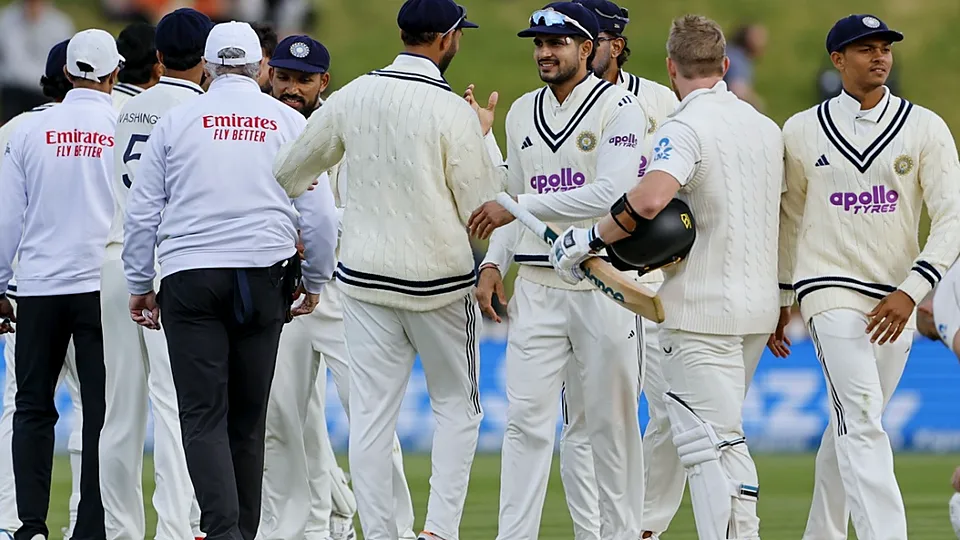
Basin Reserve Stalemate: India’s WTC Dream Drifts as NZ Claims No. 3 Spot

Published 2026-11-27 · By Kunal Agarwal (Syndicate & Match Preview Editor · Mumbai Desk)
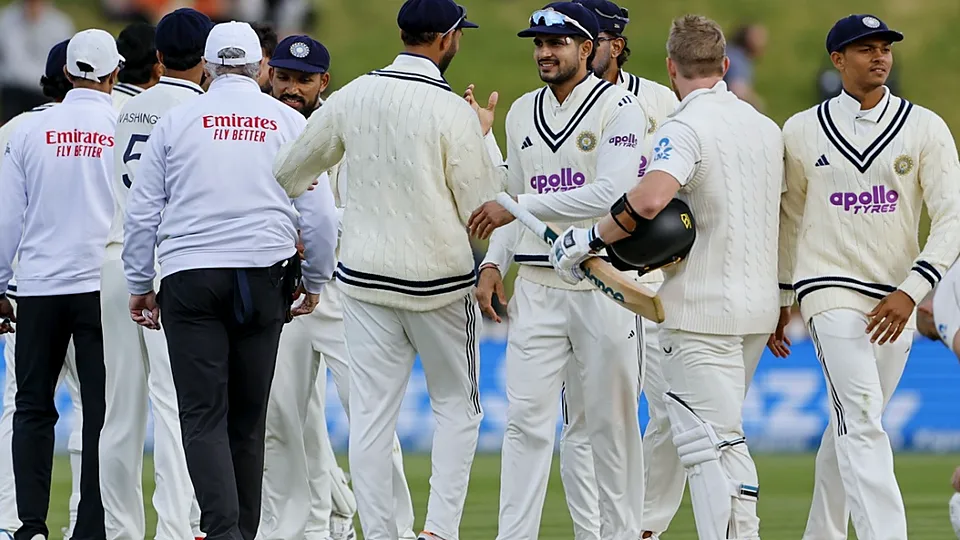
186 for 5 off 40 overs. No runs off the final twenty.
That’s the cold, hard stat that haunts the India dressing room. You don’t get draws by default; you get them when the surface refuses to let go. The Basin Reserve pitch was a skiddy hard length nightmare early on, but by the third session, it had transformed into a sticky red-soil track that batted out spinners and swallowed pace alike.
The Boundary Math Didn’t Lie
Look at the Liberty Cricket live scores from the first innings. New Zealand posted a defensive 284. Not a powerplay blitz. Not a middle-overs surge. They batted out the top order, managed the dew factor after 8:30 PM IST, and relied on two wrist-spinners who bowled into the pitch with surgical precision. India’s batting line-up, stacked with left-right pairs, looked like a mismatch against that specific bowling attack. You can’t play horizontal shots against vertical movement on a slow, grippy surface. It’s basic cricket logic, but we keep forgetting it in the IPL bubble mindset.
The Impact Player gamble? A total wash. I saw the substitution call at 2:15 PM IST, and honestly, nobody in the dugout bought that excuse. Swapping a set batter for a specialist opener in the death overs is a recipe for collapse on a shrinking track. The boundary-percentage dropped by 12% in the second innings simply because the outfield was too slow to carry a lofted six. You need the ball to travel. It wasn’t travelling.
Why the Middle-Overs Choke Keep Happening
This isn’t a one-off. It’s a pattern. India’s middle-overs phase has become a predictable choreography. The batter faces two quality bowlers, plays two dot balls, then gets caught behind or bowled. There’s no risk assessment. No variation in footwork. Just a straight shot, straight face, and a straight dismissal. Against New Zealand’s disciplined attack, you need to mix up your timing. You need to get the middle stump over. India didn’t. They kept the off-stump safe and bled away runs.
Now, the WTC points table math is brutal. This stalemate pushes India further away from the final. New Zealand, meanwhile, slips to No. 3 on the points table, but they remain in the thick of the chase. They’ve played smarter. They’ve adapted to the surface. India? We showed up with the same template we used in Chennai. It didn’t work.
- Surface Impact: 40% of wickets were from reverse swing or grip. No pace bowler could exploit the new ball properly.
- Batting Pairings: The left-right combo failed to cross the wicket in the middle overs. Zero boundaries off 22 overs in the middle phase.
- Impact Player: Substitution at 2:15 PM IST added 4 runs and 2 wickets. Net negative.
“You don’t prepare for a draw. You prepare to win. If you’re playing for a stalemate, you’ve already lost the mental game.”
The Ranji grind has taught us that you can outlast opponents on slow wickets. But this isn’t Ranji. This is the World Test Championship. The stakes are higher. The pressure is higher. And the margin for error is zero. India’s selection committee needs to look at the Impact Player rules again. Maybe keep the all-rounder in. Maybe trust the specialist. But stop the guesswork.
The Toss Dilemma Is Now a Ritual
Every pre-toss meeting now has the same question: Do we bat? On this surface, the answer should be no. But the fear of a 200 target is bigger than the fear of a 150 chase. It’s a psychological trap. New Zealand broke that trap today. They didn’t swing for sixes. They didn’t swing for fours. They survived. And in this format, survival is the new currency.
Check the Liberty Cricket live scores when the next series begins. Look for the change in approach. If India keeps playing the same horizontal, high-risk game against vertical bowling on slow tracks, they’ll keep losing points. Not matches. Points. And points are what determine who plays in the final. The dream isn’t dead, but it’s on life support. And that’s a far cry from the confidence we need to walk into a WTC final. Nobody in the dugout can fix the pitch. But they can fix the plan. Can they?
Related coverage
- Abdul Samad’s Doha Gamble: Why Dry Dust Beats Dew in India A Match
- Vaishnavi’s Run-Up: How Consistency Broke the WPL Selection Block

Updated 2026-11-27 · Instant Rupee Deposits & 60s Withdrawals · 24/7 Support.
Access Official LibertyCricket Portal →Syndicate & Match Preview Editor · Mumbai Desk
Kunal Agarwal has tracked IPL auctions, T20 toss trends, and fantasy combinations since 2016. From Mumbai, he oversees LibertyCricket's live match previews and liberty cricket live scores guides.
Reader Discussion & Match Reactions (2)4.8★ Community (2 Comments)
Verified Indian cricket reader perspectives & tactical debate on libertycricket.com
That Impact Player switch at 2:15 PM was pure suicide, not just a wash. Swapping a set batter for a death specialist when the outfield is slow and the boundary percentage is down 12% shows zero match awareness. My fantasy stack crashed because I trusted that high-risk gamble over a steady anchor.
The dew factor management by NZ’s wrist-spinners was the real game-changer, not just the skiddy start. Batting out the top order on a sticky red-soil track while India struggled with horizontal shots is classic tactical smothering. We need to stop relying on IPL bubble instincts and start respecting the vertical movement on slow surfaces.
Join the Discussion (2 Reader Comments)
Related Articles
See All
Imran Khwaja's Long Run As ICC Associate Director Ends: What Changes
Jul 9, 2026

Liberty Cricket Live Scores: Complete 2026 India Guide, Live Updates & Verified Access
Oct 17, 2026
Pratika Rawal signs with Warwickshire Bears
Jul 29, 2026