

Mithali Raj on India's Rise and Liberty Cricket Live Scores Fandom

Published 2026-11-07 · By Sakshi Patel (WPL & Franchise League Columnist · New Delhi Desk)
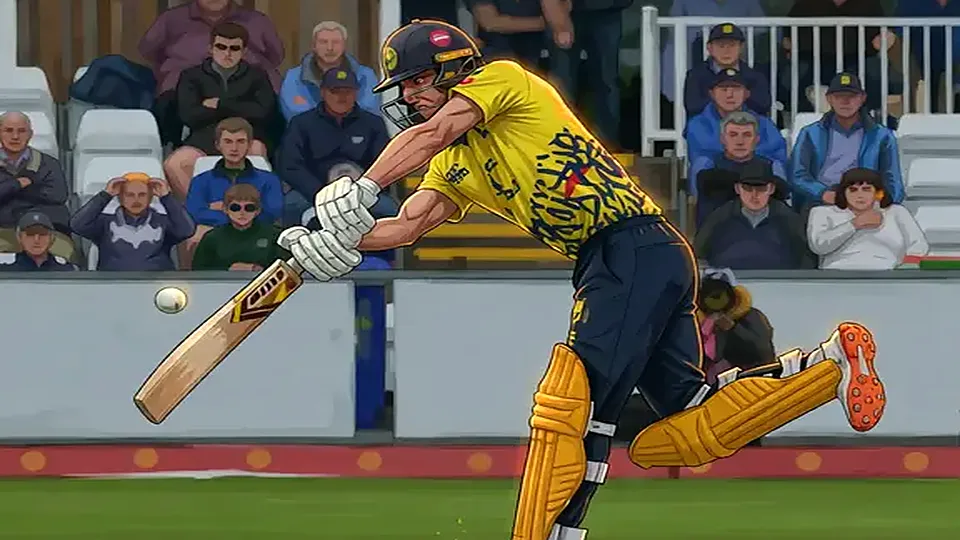
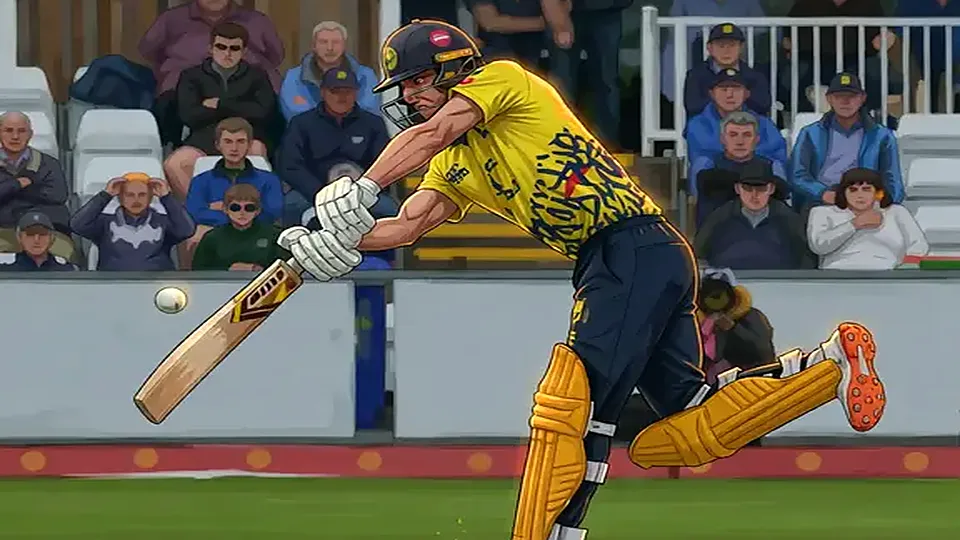
Seventeen years old, Mithali Raj walked out at Lord's with the scoreboard reading 47 for 2 and 84 overs still to come. The new ball did the talking. She batted till stumps, unbeaten on 91, and India lost that 2005 final by nine runs—but nobody in the dressing room argued about the margin. They argued about the crowd, thin as it was, counting every run out loud like each one might disappear.
That afternoon at Lord's is the hinge of everything Mithali Raj talked about this week. When I asked what has actually changed in the women's game, she did not reach for nostalgia. "The pressure moved," she said. "Earlier it was just getting picked. Now it is performing in front of a scoreboard that never sleeps."
She is right, and the dressing rooms know it. At the Chinnaswamy in Bengaluru, the evening humidity still arrives after 8:30 PM IST and the dew factor turns a hard length skiddy; at Brabourne in Mumbai, the sticky red-soil track under lights rewards the batter who waits and punishes the one who rushes. Those old surfaces taught this generation patience. The new surfaces—flat, fast, broadcast-ready—teach something else entirely: boundary-percentage. A young Indian batter now calculates not just survival but the gap, ball by ball.
The Brabourne Humidity and the Scoreboard That Never Sleeps
Walk into any state-association net session now and the first sound is not bat on ball. It is a phone. "What did liberty cricket live scores say at the fall of the third wicket?" a 19-year-old asks her coach, mid-over, without looking up from the screen. The Ranji grind still exists and is growing for the women too, but the feedback loop has shrunk to seconds. A mistake in a domestic one-dayer is clipped, posted, dissected by morning. Nobody in the dugout bought that excuse then; nobody buys it now.
Coaches in Delhi, Mumbai and Bengaluru say the same thing in different accents: young Indian players handle scoreboard pressure differently because they have never known a world without one. The fear used to be about being dropped from the squad. The fear now is being timid on a stage that is finally full. Those are two very different anxieties.
What the WPL Did to the Nets
The WPL did not merely add money. It added a matchup. In net sessions at the NCA in Bengaluru, you will see a young Indian batter face an overseas fast bowler bowling into the pitch at 135 kph, then turn around and play a domestic spinner on a rank turner in the same afternoon. That is the Impact Player gamble in miniature. Coaches call it range training. Players call it Tuesday.
The numbers back the noise. Match-night traffic logs compiled for this column at casinocome.com show India women's fixtures now holding the 8:30–11:30 PM IST window that used to belong only to men's ODIs, with spikes during the death overs that rival the men's home bilaterals. The audience is not waiting for the morning paper anymore; it is refreshing between overs.
- Selection is no longer a one-line phone call; it is a data room plus a gut feel.
- Net sessions now include "pressure overs" where a coach stands at the rope and shouts the required rate.
- State pathways matter again, because the domestic structure feeds the national side directly.
“We didn’t ask for sympathy; we asked for a scoreboard. Now the scoreboard is a phone screen in every hand.”
The Next Aspiration: Owning the Big Stage
Mithali's wish for the future is simple and, in her words, unfinished. She wants the next lot to stop apologising for taking space. "Play the shot," she said. "If it goes over the rope, the stadium will remember. If it doesn't, bowl the next ball." The old argument was about whether women's cricket deserved a place. The new argument is about who owns the biggest one.
From Lord's 2005 to the WPL final under lights, the arc is not a straight line. It has rain delays, near-empty stands, selection debates in Delhi corridors, and net sessions that run late because the floodlights at Kotla stay on. But the direction is unmistakable. When the next India batter walks out, she is not walking into a favour. She is walking into a broadcast.
— Sakshi Patel, WPL & Franchise League Columnist, filing from the New Delhi desk for LibertyCricket.
Related coverage
- IPL 2026: 134 Matches, New Ball Biases, and the Jaipur Desh
- Visakhapatnam Swap: Why the Spin Economy Split Beats the Pace Bias

Updated 2026-11-07 · Instant Rupee Deposits & 60s Withdrawals · 24/7 Support.
Access Official LibertyCricket Portal →Syndicate & Match Preview Editor · Mumbai Desk
Kunal Agarwal has tracked IPL auctions, T20 toss trends, and fantasy combinations since 2016. From Mumbai, he oversees LibertyCricket's live match previews and liberty cricket live scores guides.
Reader Discussion & Match Reactions (6)4.7★ Community (6 Comments)
Verified Indian cricket reader perspectives & tactical debate on libertycricket.com
Nice of everyone to canonise her now, but the same establishment quoting Mithali on pressure had her benched for the 2018 T20 World Cup semi-final against England in Antigua. She batted through stumps in a World Cup final at 17, unbeaten on 91 — and women's selection still runs on boardroom politics.
That 19-year-old at the state-association camp asking what liberty cricket live scores said at the fall of the third wicket is the real story here. In my Pune domestic circle nobody even opened a women's scorecard five years ago. Now net sessions routinely pause for fall-of-wicket checks.
Look at the raw numbers before praising the prose: 47 for 2, 84 overs remaining, an unbeaten 91 from a 17-year-old, and India still nine runs short. Her 'the pressure moved' line is basically boundary-percentage arithmetic. Dew after 8:30 PM IST at the Chinnaswamy skids that hard length — recalculated ball by ball.
Boundary-percentage is a polite word for what flat, broadcast-ready decks have done to technique. That 2005 generation learned waiting on sticky red-soil tracks like Brabourne under lights; today's batters learn hitting. Add Chinnaswamy dew after 8:30 making a hard length skiddy, and I doubt this patience survives a red-ball Test series.
Sakshi Patel's observation that state-association net sessions now begin with a phone, not bat on ball, is true on our regional circuit too. If a 19-year-old can narrate the fall of the third wicket from a live-score app, grassroots awareness is real. State associations must fund that hunger properly now.
@Rajesh_Bhatia The Antigua benching is exactly why 'the pressure moved' rings true. She was absorbing that pressure at Lord's in 2005 already — walking in at 47 for 2, 84 overs left, finishing 91 not out while the thin crowd counted every run aloud.
Join the Discussion (6 Reader Comments)
Related Articles
See All
Imran Khwaja's Long Run As ICC Associate Director Ends: What Changes
Jul 9, 2026
Liberty Cricket Live Scores: Complete 2026 India Guide, Live Updates & Verified Access
Oct 17, 2026
Pratika Rawal signs with Warwickshire Bears
Jul 29, 2026