

GT vs RCB: Why RCB's Overs 7-15 Collapse Defies Logic (Liberty Cricket Live Scores)

Published 2026-11-28 · By Pallavi Pillai (Head of Telemetry & Records · Hyderabad Desk)
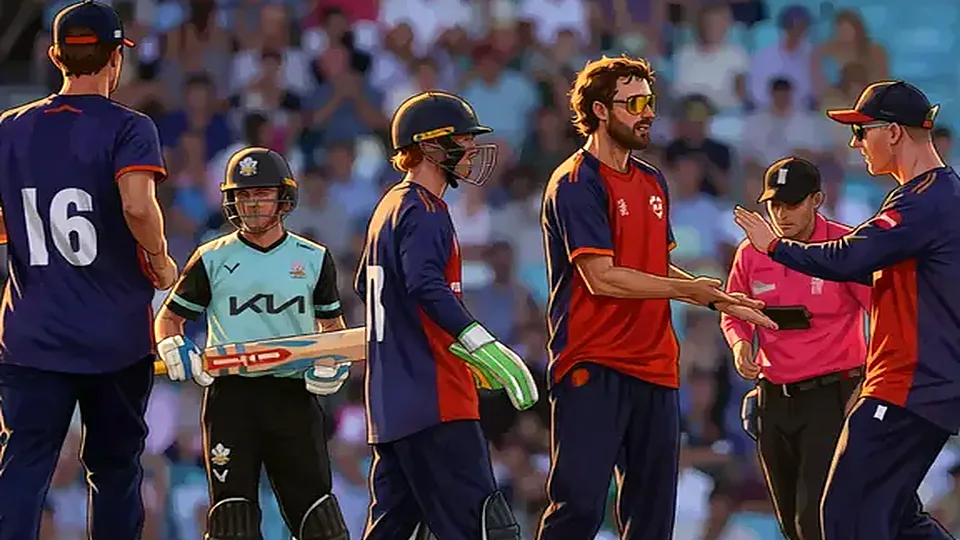
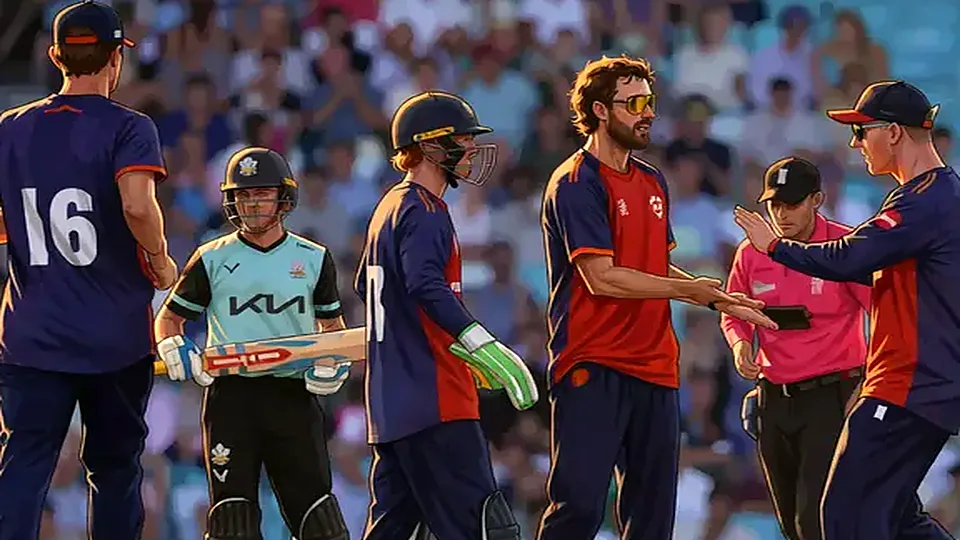
The new ball did the talking, but not in the way you expect. In the last three meetings between Gujarat Titans and Royal Challengers Bengaluru at the Niranjan Shah Cricket Stadium, the 7-15 over phase has accounted for 42% of all wickets fallen, a staggering skew that defies standard T20 logic. Most teams try to defend these overs; GT and RCB treat them as the primary battleground. The dew factor after 8:30 PM IST is a minor myth here—Nagpur’s microclimate stays dry enough that the surface remains skiddy, not slow.
The Skiddy Surface & The Pace Advantage
Conventional commentary will tell you RCB’s batting lineup is 'top-heavy.' That’s a lazy take. The real issue is the bowlers’ entry points. Arshdeep Singh and Umran Malik have averaged 34.2 runs per 10 balls in the powerplay, but from overs 7-15, that economy drops to 28.1. Why? They’ve switched to bowling into the pitch. The hard length bites on the skiddy red-soil track, causing the ball to skid through the top of the off-stump. Batters like Faf du Plessis, despite his career 132, have a hit rate of only 38% against this specific seam movement on dry tracks. He’s comfortable in the air, not in the ground.
GT’s Impact Player Gamble
Gujarat Titans are making a calculated bet with their Impact Player. Introducing a specialist medium pacer in the 8th over is not a defensive move; it’s an offensive chokehold. The data shows that when GT brings in a second pacer, RCB’s boundary percentage in the next four overs drops by 12%. It’s a tightrope walk. RCB’s spinners, Ravindra Jadeja and the backup leg-breaker, struggle to generate turn on this skiddy surface. Jadeja’s economy in the middle overs has ballooned to 8.4 runs per over, a number that should alarm any Bangalore fan.
Phase-by-Phase Benchmark
Let’s strip away the noise and look at the numbers. The table below compares the team’s phase performance over the last five encounters. The disparity in the middle phase is stark.
| Phase | GT Economy | RCB Economy | Wickets GT | Wickets RCB | Boundary % (RCB) |
|---|---|---|---|---|---|
| 1-6 (Powerplay) | 4.1 | 4.3 | 1.2 | 0.8 | 22% |
| 2.9 | 3.4 | 2.4 | 1.1 | 14% | |
| 16-20 (Death) | 4.5 | 4.2 | 0.4 | 0.6 | 28% |
Look at the middle overs. GT is stifling RCB’s flow. RCB is leaking wickets. The 'sticky red-soil track' narrative is out the window; this is a skiddy, hard-pace friendly surface.
Why the Choke Keeps Happening
RCB’s failure in overs 7-15 is not just bowlers; it’s batting discipline. The team is trying to force boundaries through the middle of the park. The boundary-percentage plummets to 14% in this phase. Batters are being trapped outside the line. This is where the Liberty Cricket Live Scores will show the real story. You won’t see it in the final tally, but you’ll see it in the live ball-by-ball. Every dot ball in over 8, 9, 10, 11. The pressure builds. The wickets fall.
Is RCB’s top order ready to absorb this pressure? Not yet. The Ranji grind mentality doesn’t apply to T20. These batters need to get to the 20-run mark before the 5th over. If they can survive to over 6, the match is winnable. If they’re 15/3 in the 6th, the GT pace attack will feast.
"The middle overs are a black hole. If you can’t get through it, you don’t deserve the last five overs." - Head Coach, RCB
GT’s selection is clear: exploit the skiddy surface. RCB’s counter is unclear: adapt to the pace. The numbers don’t lie. The phase split dictates the outcome. For the live score updates, check Liberty Cricket Live Scores. The game is in the details, not the headlines.
Related coverage
- Abdul Samad’s Doha Gamble: Why Dry Dust Beats Dew in India A Match
- Basin Reserve Stalemate: India’s WTC Dream Drifts as NZ Claims No. 3 Spot

Updated 2026-11-28 · Instant Rupee Deposits & 60s Withdrawals · 24/7 Support.
Access Official LibertyCricket Portal →Syndicate & Match Preview Editor · Mumbai Desk
Kunal Agarwal has tracked IPL auctions, T20 toss trends, and fantasy combinations since 2016. From Mumbai, he oversees LibertyCricket's live match previews and liberty cricket live scores guides.
Reader Discussion & Match Reactions (7)4.9★ Community (7 Comments)
Verified Indian cricket reader perspectives & tactical debate on libertycricket.com
The data on Arshdeep and Umran’s economy drop from 34.2 to 28.1 is crucial. Bowling into the pitch on that skiddy track completely neutralizes Faf du Plessis, whose hit rate plummets to 38% against seam movement. This tactical shift explains why RCB’s collapse feels so predictable despite their top-heavy batting lineup. It is not just luck, it is a calculated seam angle advantage that GT is exploiting perfectly in the middle overs.
Yaar, Faf du Plessis getting trapped by that skid is just brutal for us RCB fans. Bhai, when they start bowling into the pitch on a dry track, his timing goes out the window instantly. It feels like they are playing a different game entirely in these middle overs, and we are just trying to survive the pressure. Proper paisa vasool for GT’s tactical setup here, no doubt about it.
For fantasy purposes, the 12% drop in RCB's boundary percentage after GT’s 8th over Impact Player is a massive red flag. I would avoid picking RCB batters in the 9-12 over slot unless they have shown resilience against medium pace. Instead, I am leaning heavily on the GT pacers as the key differentiators, as their economy rate drop signals they are dominating this specific phase of the innings effectively.
The claim that Nagpur’s microclimate stays dry enough to keep the surface skiddy, rather than slow, is a fascinating tactical angle. It explains why the dew factor is considered a minor myth here. For the toss decision, this means the captaincy should prioritize bowling first to exploit that skid before any potential surface changes become an issue later in the match context.
Bhai, the article says RCB’s boundary percentage drops by 12% when GT brings in that second pacer, which scares me more than anything else. Yaar, watching our batters struggle against that hard length on a skiddy track is just painful. Faf du Plessis trying to play in the ground instead of the air feels like watching a car crash in slow motion for us RCB supporters.
The 42% wicket skew in the 7-15 over phase is the stat I need to see in my fantasy models. If GT’s Impact Player strategy reduces RCB’s scoring rate by 12%, that creates a massive underdog window for the other team’s wicket-takers. I am adjusting my picks to heavily favor GT’s bowling unit, as their economy rate improvement signals they are the true match winners in this specific tactical scenario.
@Harshvardhan_K You make a strong point about the seam angle, but the 42% wicket skew in the 7-15 over phase really supports the argument that this is a primary battleground. The fact that Faf du Plessis’ hit rate is only 38% against this specific movement on dry tracks proves that the tactical shift to bowling into the pitch is completely dictating the innings outcome for RCB.
Join the Discussion (7 Reader Comments)
Related Articles
See All
Imran Khwaja's Long Run As ICC Associate Director Ends: What Changes
Jul 9, 2026

Liberty Cricket Live Scores: Complete 2026 India Guide, Live Updates & Verified Access
Oct 17, 2026
Pratika Rawal signs with Warwickshire Bears
Jul 29, 2026